
Dental Implants Edmonton – Permanent, Natural-Looking Tooth Replacement
Missing teeth don’t just affect the way your smile looks—they also impact your ability to chew, speak, and maintain jawbone health. Unlike dentures or bridges, dental implants provide a permanent, natural-looking replacement that feels and functions like real teeth. At Spearmint Dental, we offer expert dental implants in South Edmonton and West Edmonton, giving patients a reliable way to restore their smiles. Whether you’re missing one tooth, several teeth, or need full-arch restoration, our experienced team will create a personalized treatment plan to help you regain comfort, function, and confidence.
What Are Dental Implants?
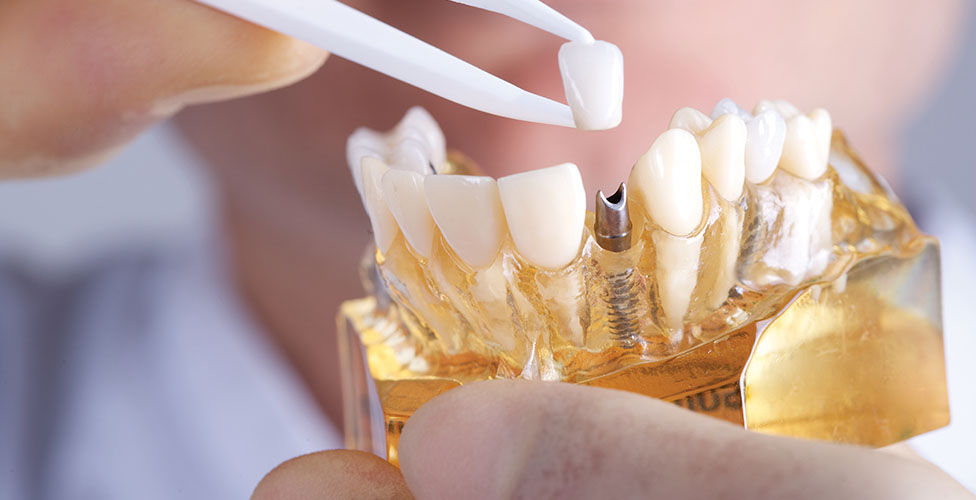
A dental implant is a small titanium post that acts as an artificial tooth root. It is surgically placed into the jawbone, where it fuses with the bone through a process called osseointegration. Once healed, the implant provides a stable foundation for a crown, bridge, or denture. Unlike removable solutions, implants are fixed in place, making them the closest option to natural teeth. At Spearmint Dental, we use advanced techniques and technology to ensure precise placement and long-term success of your dental implants.
Who is a Candidate for Dental Implants?
Most patients missing one or more teeth are good candidates for dental implants, but several important factors are evaluated during your consultation. Dental implants are designed to replace missing teeth permanently, but they rely on a strong, healthy foundation to succeed. Here’s what we look for when determining if implants are right for you:
Healthy Gums
Healthy gums are essential for successful implant placement and long-term stability. Gum disease can weaken the tissues that support the implant and increase the risk of infection. Before beginning treatment, our team ensures your gums are healthy and free of inflammation. If needed, we can recommend periodontal therapy to restore gum health before implant surgery.
Adequate Bone Density
Implants rely on a solid jawbone to stay firmly in place. Sufficient bone density ensures the titanium post integrates properly and provides lasting support. For patients with bone loss due to missing teeth or gum disease, bone grafting can rebuild the area before placement. This step strengthens the foundation and greatly improves the chances of implant success.
Good Oral Hygiene
Dental implants require the same level of care as natural teeth. Patients who are committed to daily brushing, flossing, and regular dental visits typically experience long-lasting results. Proper hygiene prevents infection around the implant site, ensuring the restoration remains healthy and functional for decades.
Non-Smokers Preferred
Smoking can slow healing and increase the risk of implant failure. Tobacco use reduces blood flow to the gums, making it harder for the bone to fuse with the implant. While smokers can still receive implants, quitting before and after surgery significantly improves the likelihood of long-term success.
Overall Health
Dental implant surgery is a minor surgical procedure, so overall health plays an important role. Patients should be in stable health and free from conditions that affect healing, such as uncontrolled diabetes. During your consultation, we’ll review your medical history to ensure that implants are a safe and suitable option for you.
During your consultation at Spearmint Dental, our team will assess your oral health and may recommend bone grafting or other preparatory treatments if necessary. This personalized approach ensures every patient receives the best possible foundation for lasting implant success.
Types of Dental Implant Treatments at Spearmint Dental
Single-Tooth Implants
If you’re missing a single tooth, a single implant topped with a custom crown can restore your smile with precision. The replacement looks and feels completely natural, blending in seamlessly with your existing teeth. It’s the most efficient way to replace a tooth without affecting neighboring ones.
Multiple-Tooth Implants
For patients missing several teeth in a row, implants can support a bridge without relying on adjacent teeth. This creates a strong, natural-looking solution that restores both function and aesthetics. Multiple implants evenly distribute chewing pressure and prevent bone loss in the affected areas.
Full-Arch Implants
Full-arch dental implants are ideal for patients missing most or all of their teeth. Using a few strategically placed implants, we can secure an entire arch of prosthetic teeth. This modern solution provides the look, feel, and function of a full natural smile—without the slipping or discomfort of traditional dentures.
Implant-Supported Dentures
Implant-supported dentures combine the best of both worlds: the stability of implants and the convenience of removable dentures. These dentures snap securely into place, eliminating slipping and improving chewing efficiency. Patients often experience a significant boost in comfort and confidence with this solution.
Benefits of Dental Implants
1. Permanent Tooth Replacement
Dental implants fuse directly with the jawbone, creating a stable foundation that functions just like natural tooth roots. This makes them one of the most durable and long-lasting tooth replacement options available. With proper care, implants can last a lifetime, providing unmatched reliability compared to bridges or dentures. Patients love that their implants feel natural, secure, and completely integrated into their smile.
2. Natural Appearance
Implant-supported crowns and bridges are custom-made to match the color, size, and shape of your natural teeth. The result is a seamless restoration that blends perfectly with your existing smile. Unlike dentures, which may shift or appear artificial, implants look and feel authentic. Friends and family often can’t tell the difference between an implant and a natural tooth. This makes implants an ideal choice for anyone seeking both beauty and function.
3. Improved Chewing and Speaking
Missing teeth can make eating and speaking more difficult, especially if dentures are loose or unstable. Dental implants restore full chewing power, allowing you to enjoy your favorite foods without worry. They also improve speech clarity, eliminating the slurring or clicking that can occur with traditional dentures. With implants, patients can eat, laugh, and speak with confidence again.
4. Preserves Jawbone Health
When a tooth is lost, the jawbone in that area begins to deteriorate due to lack of stimulation. Dental implants mimic natural tooth roots by stimulating the bone and maintaining its density. This prevents facial sagging and bone loss, helping you maintain a youthful appearance. Over time, implants not only replace missing teeth but also protect the overall structure of your face.
5. Protects Adjacent Teeth
Traditional bridges require grinding down nearby teeth for support, which can weaken healthy enamel. Implants, on the other hand, are self-supporting and don’t rely on surrounding teeth for stability. This preserves the natural structure of your smile while reducing long-term dental strain. By protecting adjacent teeth, implants help maintain your overall oral health for years to come.
Why Choose Spearmint Dental for Dental Implants in Edmonton?
At Spearmint Dental, we combine advanced technology with a patient-first approach to ensure successful, stress-free implant treatment. With clinics in South Edmonton and West Edmonton, we make accessing high-quality restorative care convenient. Our experienced dentists focus on precision and comfort, guiding you through every stage of the process. From consultation to final restoration, we’re committed to helping you achieve a healthy, beautiful, and functional smile that lasts.
Frequently Asked Questions (FAQs)
What are dental implants made of?
Who is a good candidate for dental implants?
How long do dental implants last?
Is the dental implant procedure painful?
How long does the implant process take?
Can implants replace multiple missing teeth?
What is the success rate of dental implants?
Do dental implants look natural?
Is bone grafting needed for implants?
How do I care for dental implants?
Book Your Dental Implant Consultation Today
Don’t let missing teeth hold you back. Contact Spearmint Dental today to schedule your implant consultation at our South Edmonton or West Edmonton clinic. Our team is ready to restore your smile with permanent, natural-looking dental implants.
Learn More About Orthodontics and Dental Care
Explore More Spearmint Dental Services

Thanks for stopping by! We hope this is the beginning of a long and positive dental health journey. Please take a moment to review some important information about your first appointment with us.
First Time Here?
New Patients Welcome!
New Patient Form
Get started with us before your first visit. Complete your new patient form online to save time at check-in.
Dental Office Policy
We want your visit to go smoothly. Review our office policies so you know what to expect when you arrive.
Dental Treatment Consent Form
Your comfort and informed consent matter to us. Please review and complete this form prior to your appointment.