
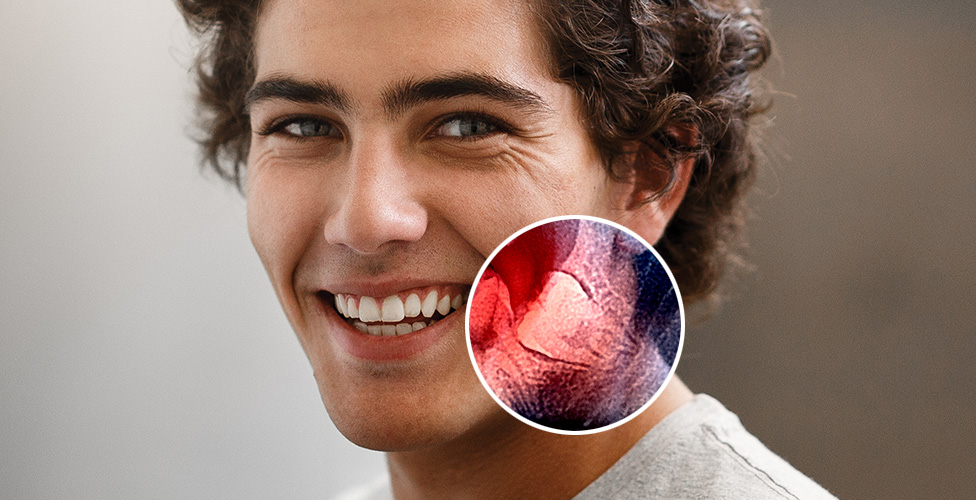
Wisdom Teeth Removal Edmonton – Gentle, Safe, and Stress-Free Care
Wisdom teeth, also known as third molars, typically emerge in the late teens or early twenties. For some people, these teeth come in without any issues. For many others, however, wisdom teeth cause pain, swelling, or crowding because there simply isn’t enough space in the jaw to accommodate them. At Spearmint Dental, we provide gentle and effective wisdom teeth removal in South Edmonton and West Edmonton. Our goal is to help you prevent complications, relieve discomfort, and protect your oral health. With modern techniques and a compassionate approach, we make the process safe and as stress-free as possible.
What Are Wisdom Teeth?
Wisdom teeth are the last set of molars to appear, usually between the ages of 17 and 25. While they once served a purpose in our ancestors’ diets of coarse foods, today’s modern jaws often don’t have enough room to accommodate them. This lack of space leads to problems such as impaction (teeth trapped beneath the gums), infections, or shifting of other teeth. Even if wisdom teeth emerge partially, they can be difficult to clean properly, making them prone to decay and gum disease. Removing wisdom teeth is often the best way to prevent ongoing issues and maintain a healthy smile.
Signs You May Need Wisdom Teeth Removal
Pain or Swelling
One of the most common signs of problematic wisdom teeth is pain in the back of the mouth or swelling of the gums. This discomfort often indicates impaction or infection, which can worsen if left untreated. If you notice persistent pain or swelling in this area, it’s important to book an exam at Spearmint Dental to prevent more serious complications.
Crowding
If your wisdom teeth push against your other molars, they can cause crowding or misalignment. This is especially concerning for patients who’ve already had orthodontic treatment, as wisdom teeth pressure can undo years of progress. Early evaluation and removal can help preserve your smile alignment and prevent costly retreatment later.
Repeated Infections
Partially erupted wisdom teeth create flaps of gum tissue that trap bacteria and food. This leads to repeated infections, gum inflammation, and difficulty maintaining proper hygiene at home. Removing the teeth eliminates these flaps, making your mouth easier to keep clean and healthy.
Jaw Stiffness
Impacted wisdom teeth can cause stiffness, pain, or pressure in the jaw, making it uncomfortable to chew or open your mouth fully. Over time, this tension may even spread to your neck and cause headaches. Extraction relieves the pressure, restoring comfort and normal jaw function.
Cysts or Damage to Nearby Teeth
In some cases, impacted wisdom teeth form cysts that damage the jawbone or surrounding teeth. These cysts can lead to bone loss or compromise otherwise healthy molars. Removing problematic wisdom teeth early prevents these severe complications from developing.
Benefits of Wisdom Teeth Removal
1. Prevents Pain and Infection
Removing wisdom teeth eliminates a common source of recurring pain and infection. Once removed, you no longer have to worry about swelling or inflammation in the back of your mouth. This provides long-term relief and allows you to focus on maintaining a healthy, comfortable smile.
2. Protects Nearby Teeth
Impacted wisdom teeth often press against the molars beside them, causing damage, decay, or shifting. Extraction prevents this pressure, safeguarding your other teeth from unnecessary stress. This helps protect your dental work and prevents the need for restorative treatments in the future.
3. Improves Oral Hygiene
With wisdom teeth gone, brushing and flossing become much easier. Cleaner teeth and gums reduce your risk of gum disease, cavities, and even bad breath. Improved access for hygiene also supports long-term oral health and overall wellness.
4. Avoids Future Complications
Even if wisdom teeth aren’t currently causing problems, they often create issues later in life. Removing them early prevents complications such as cysts, bone damage, or repeated infections. Taking care of them proactively usually results in a simpler procedure and smoother recovery.
5. Supports Orthodontic Results
For patients who’ve had braces or Invisalign, removing wisdom teeth ensures your newly aligned smile stays straight and stable. Without extraction, wisdom teeth may push on your other teeth and cause relapse. Protecting orthodontic results is one of the most common reasons people choose to remove wisdom teeth early.
The Wisdom Teeth Removal Process at Spearmint Dental
Consultation & Exam
We begin with a detailed exam and digital X-rays to evaluate your wisdom teeth. This step allows us to identify whether extraction is needed and plan the safest approach for your situation. By thoroughly examining your teeth and jaw, we make sure your treatment is efficient and precise.
Anesthesia & Comfort
Your comfort is our top priority throughout the procedure. We offer local anesthesia and sedation options to ensure a stress-free, pain-free experience. This allows patients with dental anxiety to feel at ease during treatment.
Gentle Extraction
Our experienced team carefully removes the wisdom teeth using precise techniques designed to minimize trauma. Most extractions are completed in a single visit with minimal discomfort. We focus on efficient, careful care to support the fastest healing possible.
Post-Procedure Care
After removal, we provide detailed instructions for recovery, including tips for managing swelling and controlling discomfort. Proper care of the surgical site helps prevent complications like dry socket and promotes faster healing. Our team ensures you leave feeling confident about your recovery plan.
Follow-Up Support
Our team is available to answer any questions during your recovery, whether it’s about diet, healing, or comfort. We also schedule follow-up visits to check on progress and make sure everything is healing as expected. This ongoing support gives patients peace of mind throughout the process.
Myths & Facts About Wisdom Teeth Removal
Myth 1: Everyone needs their wisdom teeth removed.
Fact: Not all wisdom teeth cause problems, but regular monitoring is essential to determine if removal is necessary. At Spearmint Dental, we use exams and X-rays to help decide whether extraction is needed for your specific case.
Myth 2: Wisdom teeth removal is very painful.
Fact: With modern anesthesia and techniques, patients are kept comfortable throughout the procedure. Most people are surprised by how smooth the recovery process can be when they follow post-op care instructions.
Myth 3: You can wait until there’s pain to remove them.
Fact: Waiting until wisdom teeth cause pain can lead to more serious complications, including infection or damage to other teeth. Proactive removal often results in a simpler procedure and faster recovery.
Why Choose Spearmint Dental for Wisdom Teeth Removal in Edmonton?
At Spearmint Dental, we understand that the idea of wisdom teeth removal can cause anxiety. That’s why our team is committed to making the process as comfortable and stress-free as possible. With clinics in South Edmonton and West Edmonton, we provide accessible, compassionate care close to home. Our use of modern imaging, anesthesia, and gentle techniques ensures your procedure is safe, efficient, and effective. Patients trust us not just for our skill, but for the way we prioritize comfort and personalized care.
Frequently Asked Questions (FAQs)
When do wisdom teeth need removal?
Is wisdom teeth surgery painful?
What is the recovery time for extraction?
What are impacted wisdom teeth?
Can wisdom teeth cause crowding?
How do I prepare for removal?
What can I eat after surgery?
Are stitches required after extraction?
What are signs of infection after removal?
Can wisdom teeth be left untreated?
Book Your Wisdom Teeth Consultation Today
If you’re experiencing pain or want to prevent future dental issues, wisdom teeth removal may be the right choice. Contact Spearmint Dental today to schedule your consultation at our South Edmonton or West Edmonton clinic. Our team is here to guide you through every step with gentle, expert care.
Learn More About Orthodontics and Dental Care
Explore More Spearmint Dental Services
- Complete Family Dentistry for All Ages
- Invisalign Treatment for a Straighter Smile
- Cosmetic Dentistry in South & West Edmonton

Thanks for stopping by! We hope this is the beginning of a long and positive dental health journey. Please take a moment to review some important information about your first appointment with us.
First Time Here?
New Patients Welcome!
New Patient Form
Get started with us before your first visit. Complete your new patient form online to save time at check-in.
Dental Office Policy
We want your visit to go smoothly. Review our office policies so you know what to expect when you arrive.
Dental Treatment Consent Form
Your comfort and informed consent matter to us. Please review and complete this form prior to your appointment.