- Key Takeaways
- Defining a Dental Emergency
- Urgent vs. Non-Urgent Issues
- Immediate At-Home Actions
- The Hidden Dangers of Delay
- Modern Emergency Dentistry
- Your Role in Prevention
- Conclusion
- Frequently Asked Questions
- What counts as a true dental emergency?
- When should I go to the ER instead of an emergency dentist?
- What can I do at home before I see an emergency dentist?
- Is it safe to wait a few days with dental pain?
- How does modern emergency dentistry help save teeth?
- Can I prevent most dental emergencies?
- How fast should I act if a tooth is knocked out?
Key Takeaways
- A real dental emergency is uncontrolled bleeding, severe or prolonged pain, signs of infection, or sudden tooth loss. These should be treated immediately by a professional. Putting off treatment can result in significant complications, such as permanent tooth loss and infection that can impact your overall health.
- If you’re experiencing urgent symptoms like excessive bleeding, severe tooth pain, swelling or a knocked-out tooth, visit an emergency dentist immediately instead of waiting for a regular appointment. Less severe problems like mild sensitivity and minor chips without pain can typically hold off but still require prompt attention.
- Easy first-aid measures at home can safeguard your teeth and wellbeing until you can get to an emergency dentist. Use clean gauze for bleeding, apply a cold compress for pain or swelling, keep a lost tooth moist in milk or saline, and do not use heat or place aspirin directly on your gums.
- Delaying emergency dentistry only makes treatments more involved, expensive, and lengthy to recover. Early treatment is almost always easier with fewer visits, simpler treatments, and less interference with work, school, and daily activities.
- Today’s emergency dentistry employs digital triage, advanced imaging, and sedation options to deliver care that is faster, more accurate, and more comfortable. Online platforms assist in articulating your symptoms, offer rapid advice, and promptly book urgent dental appointments.
- Preventive measures, like brushing and flossing after every meal, visiting your dentist routinely, wearing mouthguards during sporting activities, and steering clear of extremely hard and sugary foods, significantly lower the chances that emergencies will occur. By putting together a simple dental emergency kit and knowing how to react in common situations, you’ll be able to take confident action if a crisis arises.
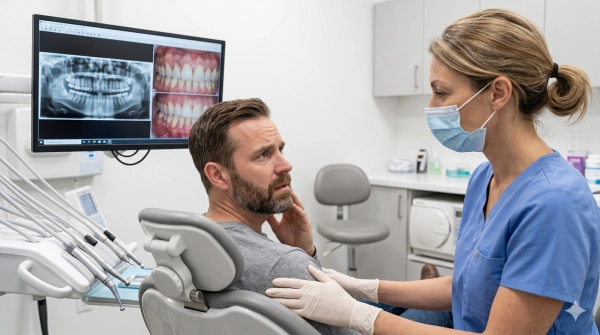
Emergency dentistry refers to dental care that addresses acute pain, fractured teeth, infections, or oral trauma. Many people require it post-accidents, sports injuries, or when a toothache multiplies to the point that brushing your teeth seems like an impossible task. Knocked-out teeth, cracked fillings, swollen gums, and abscesses that may spread infection are all common problems. Immediate care can often save a tooth, relieve pain quickly, and reduce the possibility of permanent damage. Clinics might provide same-day visits, on-call dentists, and easy first-aid measures to take before they get there. To figure out what really constitutes an emergency, how to respond, and what treatment to anticipate, the following chapters explain everything in plain steps.
Defining a Dental Emergency
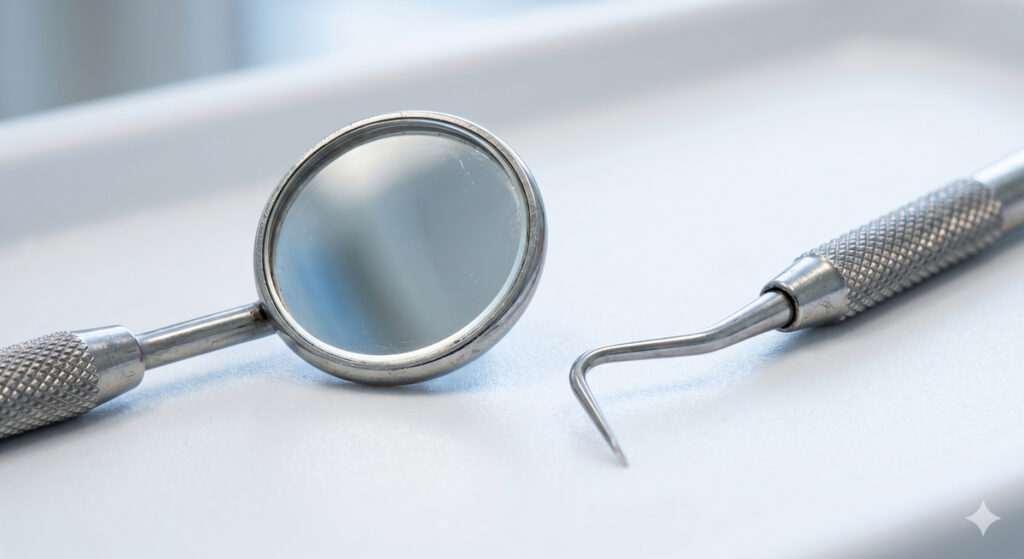
A dental emergency is any circumstance that requires prompt dental attention to relieve severe pain, manage an infection, or preserve a tooth. It frequently impacts essential activities such as eating, speaking, or sleeping and cannot wait for a standard appointment. Understanding what constitutes an emergency empowers you to respond quickly and prevent long-term harm.
1. Uncontrollable Bleeding
Uncontrollable oral bleeding, either from a trauma or following a dental procedure, is an obvious emergency. Anytime blood is pooling in your mouth or you have to change gauze every few minutes, it needs immediate attention. Bleeding eight to twelve hours after an extraction is not normal and should be considered urgent.
Apply a clean, folded gauze or clean cloth to the area and bite down or press firmly for 10 to 15 minutes without peeking every few seconds. Excessive rinsing, spitting, or sucking in through a straw can tear away developing clots and start the bleeding all over again, so try to keep the mouth as still as possible. If bleeding still won’t slow after firm pressure, go to an emergency dentist or hospital with dental support.
2. Severe, Persistent Pain
Severe, unrelenting tooth or jaw pain that prevents you from sleeping, working, or eating is another typical dental emergency. It may indicate issues such as a deep cavity, dental abscess, cellulitis, or conditions that may require root canal therapy. In other instances, uncommon diseases like necrotizing periodontal disease lead to excruciating discomfort and rampant halitosis.
While over the counter pain relievers such as ibuprofen or acetaminophen can alleviate some of the pain for a limited period, they do nothing to repair the underlying damage. Never put aspirin on the tooth or gums because it burns the tissue. If pain is accompanied by fever, swelling, or difficulty swallowing, contact an emergency dentist or visit urgent care immediately.
3. Signs of Infection
Dental infections, such as abscesses or cellulitis, frequently present as swelling of the gum, face, or jaw, accompanied by pulsating pain, pus, a foul taste, or halitosis. Fever, fatigue, or malaise can ensue when infection begins to spread beyond the tooth. The infection can extend into deeper spaces of the neck or the bloodstream, which constitutes a dental emergency.
Rinse gently with warm salt water to reduce surface bacteria. Steer clear of hot packs to your face because they will make the swelling worse. Be on the lookout for difficulty breathing, speaking, or swallowing, or if swelling is spreading near your eye. These warrant immediate medical emergency care, not just a dental visit.
4. Traumatic Injury
Traumatic dental emergencies are fractures, loose teeth, jaw injury, or teeth completely knocked out following accidents, sports, or falls. Even a small chip with sharp edges can conceal a crack that extends to the nerve or root, so visible damage can’t be overlooked. ‘Broken’ or displaced teeth, treated quickly, have a much better chance of long-term survival.
In the event of a broken tooth, preserve fragments in cold milk or saline and bring them along. If your jaw won’t close properly, feels loose, or causes severe pain when you bite, you may have a fracture and need immediate evaluation by your dentist and potentially a medical team.
5. Sudden Tooth Loss
If a permanent tooth is completely avulsed, time is of the essence. Grab the tooth by the crown, which is the white chewing part, and never the root to preserve the ligament cells that facilitate reattachment. Rinse dirt off briefly in clean, cold water and do not scrub!
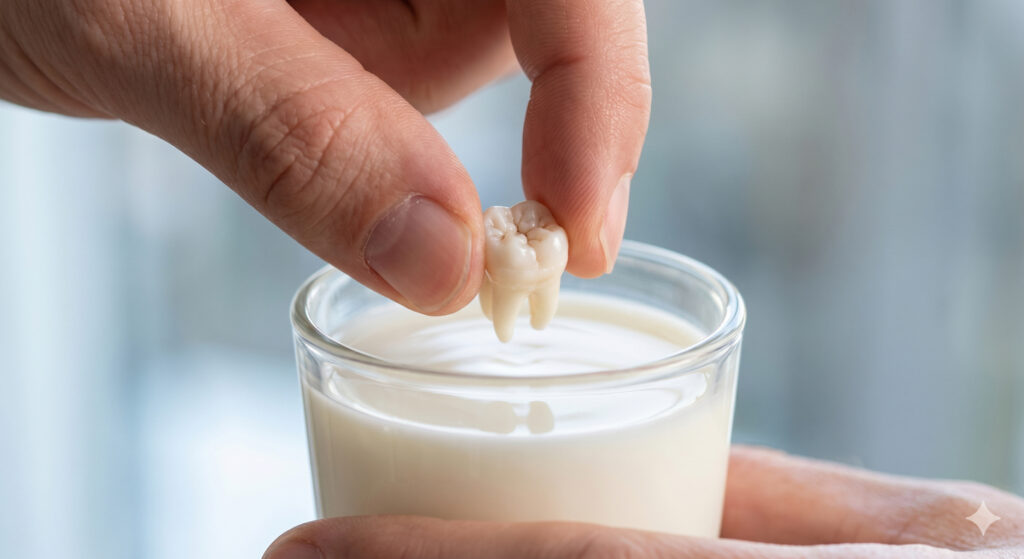
If possible, softly put the tooth back into the socket and bite on gauze to keep it in place. If not, keep the tooth moist in cold milk, saline, or a tooth preserving kit. Don’t keep it in plain water and don’t allow it to dry out. Get to an emergency dentist, if possible, within 60 minutes because that’s the best opportunity to save the tooth.
Urgent vs. Non-Urgent Issues
Understanding which dental issues require immediate assistance and which can be delayed saves you emergency room expenses and prevents potential health complications.
The Urgency Spectrum
Dental issues span from the merely painful to the potentially fatal. On the non-urgent end are problems such as momentary sensitivity to cold drinks, a minuscule chip that doesn’t slice your cheek or tongue, or a small lost filling with no pain or sharp edge. These generally will not affect your ability to eat, speak, or sleep, and a routine visit within days or weeks is generally sufficient.
Further down the spectrum are issues that seem important but aren’t necessarily emergencies. Dry socket (alveolar osteitis) after an extraction is one. It’s not an infection and typically improves within a few days of treatment. The pain can be severe and require multiple visits for its relief. Post-extraction bleeding that slows and ceases within 8 to 12 hours, for instance, is typically observed rather than treated as an emergency as long as it is clearly abating.
On the urgent side are situations where postponement can damage your health. Tooth infections like pulpitis, pulp necrosis, periodontitis, periapical or periodontal abscesses, necrotizing periodontal disease, and pericoronitis may disseminate and occasionally become fatal. A more serious type, Ludwig angina, impacts the soft tissues of the floor of the mouth and neck, may obstruct the airway, and requires immediate treatment in a hospital. Dental trauma belongs here: a tooth that is knocked out, badly fractured, or deeply loosened, or heavy post-extraction bleeding that continues beyond 8 to 12 hours all call for same-day emergency help. A lot of clinics distribute charts or infographics that position typical issues across this continuum, which is handy to have on your phone for quick reference.
When to Wait
Non-urgent issues can almost always wait for a scheduled appointment if you take good handling measures at home and monitor any shift in symptoms.
Mild sensitivity to hot or cold, a small chip, or a small lost filling with no pain, swelling, or sharp edges tend to fall in this group. Teeth that are slightly intruded, pushed into the socket by less than 3 mm, when roots are fully formed, may gradually reposition themselves. Your dentist will frequently observe for as long as 8 weeks before opting to operate. Follow-up visits after previous emergency care, like splint removal or review after tooth replantation, are considered non-urgent and extend from 2 weeks up to 12 months.
You can aid healing by brushing lightly twice a day, flossing and avoiding very hard, sticky or very hot food that could fracture or loosen compromised areas. Any transition from mild, short pain to persistent pain, swelling, or difficulty sleeping means to push the problem up the urgency scale.
| Dental issue | Urgency level | Recommended action |
|---|---|---|
| Brief cold sensitivity | Non-urgent | Routine visit and desensitizing toothpaste |
| Small chip, no pain | Non-urgent | Schedule check within a few weeks |
| Small lost filling, no swelling | Non-urgent | Book repair; avoid hard or sticky foods |
| Dry socket (alveolar osteitis) | Urgent but stable | Prompt clinic visit for pain relief |
| Root intrusion < 3 mm, no other injury | Non-urgent review | Monitor; consider repositioning after 8 weeks |
When to Act
Some signs indicate you shouldn’t wait. Severe, pounding tooth pain that disrupts sleep, persists despite over-the-counter painkillers, or is accompanied by facial or jaw swelling is a red flag for potential serious infection. Swelling accompanied by fever, difficulty swallowing, voice changes, or shortness of breath requires immediate emergency care because these can be warning signs of aggressive spread, including Ludwig angina.
Profuse or unmanageable bleeding following an extraction requires swift attention, particularly if it persists at a consistent pace beyond 8 to 12 hours or you continue bleeding through clean gauze. Early care can be straightforward, but postponement increases the chance of more complicated interventions. Trauma events need the same urgency: a tooth knocked out of the mouth (avulsion), cracked down to the root, or suddenly loose after a hit should be seen within hours. Replanting an avulsed permanent tooth and splinting it immediately provides the optimal chance of long-term survival, and later follow-ups can be scheduled without urgency.
In either case, call the emergency number your dental clinic provides or look up local emergency dentists or hospital services that provide care for acute dental cases after hours.
Immediate At-Home Actions
If in a dental emergency, stay calm, act quickly and contact a dentist or emergency clinic immediately. Immediate at-home actions can minimize pain, safeguard injured teeth, and increase the likelihood of a positive result.
Basic first-aid steps many dentists recommend:
- Rinse the mouth gently with warm water to clear blood or debris.
- Use a cold compress on the cheek for pain or swelling.
- Apply clean gauze to stop the bleeding with firm and constant pressure.
- Save any broken pieces or a lost tooth in a clean container.
- Take a doctor approved pain reliever if necessary according to label.
- Don’t put aspirin on your gums or near an aching tooth.
- Phone or text a dentist and inquire about after hours emergency care.
- Make note of when the injury occurred, symptoms, and all changes.
Managing Pain
For toothache or sharp dental pain, OTCs such as ibuprofen and acetaminophen can provide relief for a limited time, provided they are safe for you to take and cleared with your physician. Follow the dosage on the package, do not double up on drugs with the same ingredient, and never put tablets on the gum as it burns the tissue.
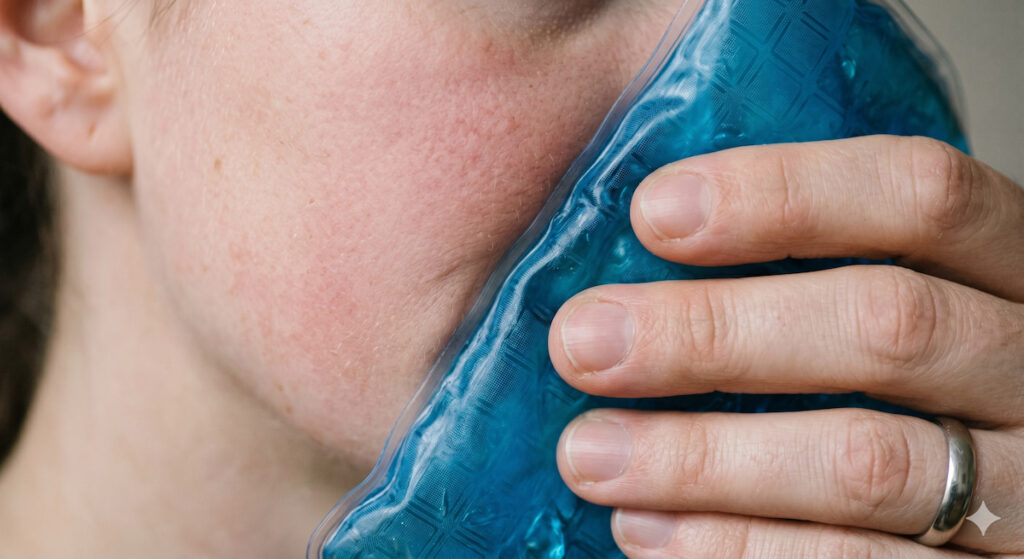
A cold compress on the cheek or jaw, applied for around 10 to 20 minutes at a time, can relieve pain and reduce inflammation. Many dentists recommend soft foods, cool drinks, and chewing on the other side to prevent aggravating cracked teeth, loose fillings, or inflamed gums.
Topical gels can numb the area, though heavy or frequent use can irritate the lining of the mouth. If it’s intense, persists beyond a day, or is accompanied by swelling or fever, call a dentist immediately because waiting can turn an uncomplicated problem into a complicated one.
Handling a Lost Tooth
First, when a permanent tooth is knocked out, the first minutes count. Grab it by the crown alone, not the root, and lightly rinse under cool running water for a couple of seconds without scrubbing or wiping off tissue fragments. If possible, attempt to reposition it into the socket, root first, and keep it in place with clean gauze or a soft cloth as you make your way to an emergency dentist. If you can’t reinsert it, keep the tooth moist in cold milk, saline, or in the cheek pouch if the person is fully conscious and won’t swallow it. A knocked out tooth stands a pretty good chance of re-rooting if it’s re-implanted within about 10 minutes, but after about an hour, those odds fall off a cliff, so quick action is vital.
Controlling Swelling
For swollen gums, lips, or cheeks—particularly after an injury or painful toothache—place a cloth-wrapped cold pack on the outside of the face for 10 to 20 minutes, with intervals. Try to keep your head elevated, even while resting, which can minimize pressure and alleviate pain.
Don’t put heat on your face or jaw, such as hot packs or very warm cloths, as this increases blood flow, edema and can facilitate spread of infection. Track changes closely: rapid swelling, trouble swallowing, or any sign of breathing difficulty are red flags that need emergency room care, not only dental care.
Protecting a Damaged Tooth
If a tooth chips or cracks, gently cover any sharp edges with orthodontic wax, if you have it, or a small piece of sugarless gum to protect your tongue, lips, and cheeks from cuts. Eat soft or non-sticky foods and chew on the opposite side to prevent additional fractures.
If a filling or crown falls out, pharmacies frequently stock temporary dental cement that you can use to mask the exposed dentine, reduce sensitivity and keep food out of the hole until you can get to a dentist. Saving fragments in a clean container and recording the timing of the injury assists your dentist in treatment planning. Early contact with an emergency dentist reduces the chances of infection, nerve damage and more extensive work later on.
The Hidden Dangers of Delay
Emergency dental problems cannot wait. Pain, swelling, or broken teeth may appear local to the mouth, but delays can impact the entire body, increase expenses, and reduce the odds that the tooth can be saved.
| If you delay… | What often happens next | Long‑term consequence |
|---|---|---|
| Toothache from deep decay | Infection reaches the nerve | Root canal and crown (about $1,500–$3,000 or more) |
| Swollen gum or abscess | Infection spreads into jaw or face | Hospital care, IV antibiotics, risk of sepsis or endocarditis |
| Cracked or broken tooth | Fracture extends below gum | Extraction and implant (often over $4,000 per tooth) |
| Knocked‑out tooth | Cells on root surface die | Tooth cannot be saved, long‑term gap or prosthetic |
| Loose filling or small chip | Bacteria enter exposed area | Larger cavity, more complex restoration or crown |
Emergency dentist’s immediate attention can control pain, arrest infection, and even save the natural tooth.
Systemic Health Risks
An oral infection is still an infection, and there are lots of blood vessels in the mouth. When abscess bacteria enter the bloodstream, they can travel to the heart, lungs, or brain, causing sepsis or endocarditis. In extreme cases, folks require hospital admission, imaging, and IV antibiotics rather than an uncomplicated in-office procedure.
Swelling that radiates to the neck or impairs swallowing or breathing is a red flag. So is fever with a toothache. These indications signify the issue is not “just dental” anymore. Emergency dental care at this point isn’t just tooth-saving; it’s about avoiding a medical crisis.
Permanent Tooth Loss
If a tooth is knocked out in a sports mishap or accident, time is of the essence. The likelihood of salvaging that tooth plummets somewhere around 60 minutes out of the mouth. If not gently rinsed, kept wet in milk or saline for example, and replanted by an emergency dentist, the body typically rejects it and the root surface deteriorates.
Even if the tooth remains in position but is extensively cracked or displaced, the root and bone may sustain silent damage. Without fast splinting or stabilization, the tooth will loosen over weeks or months and ultimately fail. When you lose a permanent tooth, it’s not simply an aesthetic concern; it can alter your chewing habits, put undue stress on other teeth, and impact your speech.
Preserving the natural tooth is almost always easier and more resilient than restoring it later with a bridge or dental implant.
Increased Treatment Complexity
A slight toothache from incipient decay can usually be remedied by a simple filling. If that tooth is left untreated, bacteria can access the nerve, cause persistent pain, and create a complete abscess. At that point, treatment typically escalates to a root canal and a crown or extraction in some cases, all of which require more chair time and a larger bill.
When infection continues to spread, dentists might have to drain deep spaces in the jaw or refer for oral surgery under sedation or in hospital. This translates into more appointments, more recovery, and greater risk of side effects. Timely, aggressive care typically results in less time in the chair, fewer interventions, and a quicker, more reliable recovery.
Financial Implications
- Postponing treatment usually turns a minor filling into a root canal with a crown, increasing the price from a few hundred dollars to one thousand five hundred to three thousand dollars or more.
- If the tooth can’t be saved, extraction, an implant, and a crown can run over $4,000 per tooth, not including potential bone grafting.
- Chronic pain, recurring infections, or complicated surgery can result in missed work or school, transportation expenses, and additional caregiving.
- A few dental plans cover genuine emergencies better when timely reported and treated. Slow or missed follow-ups lower coverage.
- Routine check‑ups and daily maintenance, such as brushing, flossing, and plaque control, tend to be a lot cheaper than emergency visits and serious restorations.
- Short-term self-care, like the ibuprofen “3-3-3 rule” (3 600mg tablets every 3 hours for a maximum of 3 days), can assist with pain and swelling but it won’t replace an exam and treatment from a dentist.
Modern Emergency Dentistry
Modern emergency dentistry concentrates on rapid, precise treatment that stops damage from escalating while alleviating pain at the earliest opportunity. Many clinics even have same-day visits, walk-in slots, and emergency phone consultations, so people with toothaches, broken teeth, or sudden sensitivity can get help without waiting for days. They typically provide fast exams, pain management, tooth removal, root canals, restoration of broken or chipped teeth, and treatment for dental abscesses that could otherwise spread.
Digital tools now assist clinics to triage emergent cases, connect folks to the right dentist, and exchange records in minutes rather than hours. Someone with an avulsed tooth or infection-related swelling can skip to the head of the line when necessary, while less urgent concerns can continue to be seen same-day as able. Meanwhile, most emergency teams are trained in dealing with fright, trauma, and language barriers, so care comes across calm and dignified, not hectic.
Digital Triage
Digital triage begins before they’re even sitting in the dental chair. Most offices employ online forms, symptom checkers or brief virtual consults to determine what is happening and how urgent it is. A patient with a broken filling, for instance, might post pictures of the tooth and a brief note about the onset of pain, while another individual suffering from facial swelling uploads a detailed image and a brief treatment history.
These details assist the dentist prioritize cases, determine how quickly each individual needs to be seen, and carve out room in the schedule. While people wait, the dentist or team will frequently provide transparent home-care instructions, such as ‘Take OTC pain relievers as recommended, use a cold compress for swelling, and don’t chew on the sore side.’ In cases of tooth avulsion, guidance often includes: pick up the tooth by the crown, rinse it gently with water, try to place it back into the socket, or keep it in milk or saliva until reaching the clinic. Online booking links or apps then allow patients to snag the soonest available slot without extended phone calls, which is useful in those urgent, stressful moments.
Advanced Diagnostics
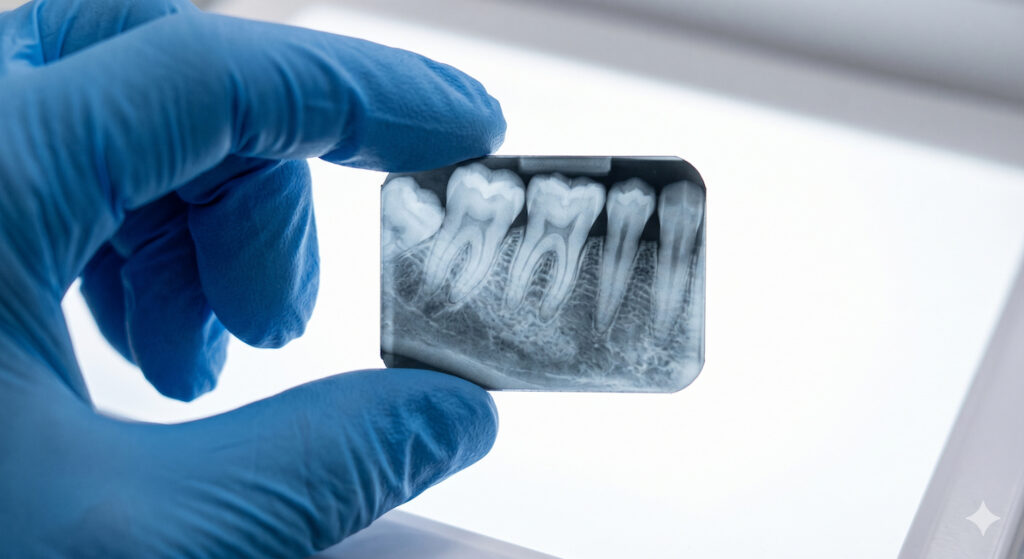
Advanced diagnostic tools provide emergency dentists with a clearer picture of the issue in minutes. Digital X-rays emit less radiation than older systems and display on screen within seconds, which is useful when someone is in severe pain and needs answers quickly. Some clinics employ 3D scans, like cone beam CT, to map teeth, bone, and nerves in three dimensions.
These photos can expose minor fractures, beginning infections, or debris that are difficult to detect with the naked eye. For instance, a guy who gets a knock in the mouth during sports might have a hairline root crack that only appears on a 3D scan. Armed with that information, the dentist can determine if a tooth can be preserved with a root canal and a crown or if extraction and subsequent implant planning would be more prudent.
Improved imaging reduces guesswork. It reduces the risk of doing unnecessary procedures and helps dentists explain clear options. These options include what can be done right now to ease pain, what might be needed later, and what preventive steps like regular check-ups or a custom mouthguard for sports could lower the chance of another emergency.
Sedation Options
Emergency dentistry sedation focuses on pain and fear control so that treatment can begin immediately. Popular options are nitrous (laughing gas), administered via a small mask that dissipates rapidly, and oral sedatives ingested as a pill prior to the visit. In advanced or surgical cases, stronger forms of sedation are used under close observation.
Customized sedation plans assist individuals with extreme dental phobias, a hypersensitive gag reflex, or care-induced trauma. When an abscessed patient, for instance, is still and numb, the dentist can drain the infection, clean the area, and initiate root canal work or schedule an extraction in a safer, controlled manner. Good sedation also allows the dental team to work more easily and accurately, which can reduce the length of the visit and enhance the outcome.
Your Role in Prevention
Emergency dentistry prevention is mostly about healthy daily habits, smart decision making, and preparation to act quickly when disaster strikes. You can be a part of prevention. Don’t wait until pain is excruciating to figure out what it is and how to fix it.
- Brush teeth twice daily with fluoride toothpaste
- Floss once a day between all teeth
- Limit sugary and acidic drinks and snacks
- Wear mouthguards for contact sports or high‑risk activities
- Do not chew ice, hard candy, or pens
- Stay hydrated to support saliva and natural cleaning
- Maintain a simple dental first aid kit both at home and during travel.
Routine Care
Daily care reduces the risk of cavities, gum disease, and infections that frequently result in emergency visits. Twice daily brushing with fluoridated toothpaste removes plaque and reinforces enamel, helping your teeth resist decay. Floss accesses the tight crevices a brush can’t get to, where food and bacteria linger and cause gum inflammation or deep infection.
These regular visits — often every 6 months — give your dentist the opportunity to catch minor issues early, before they become an emergency. Families looking for additional preventive guidance can review the oral health resources from Alberta Health Services for practical tips on maintaining healthy teeth and gums. Minute cavities, developing gum disease, or a broken filling might not hurt yet, but they are typical entry points to severe toothaches or abscesses. They are the ones that, when treated early, help you escape sudden swelling, night pain, or broken teeth that require emergency care.
Protective Gear
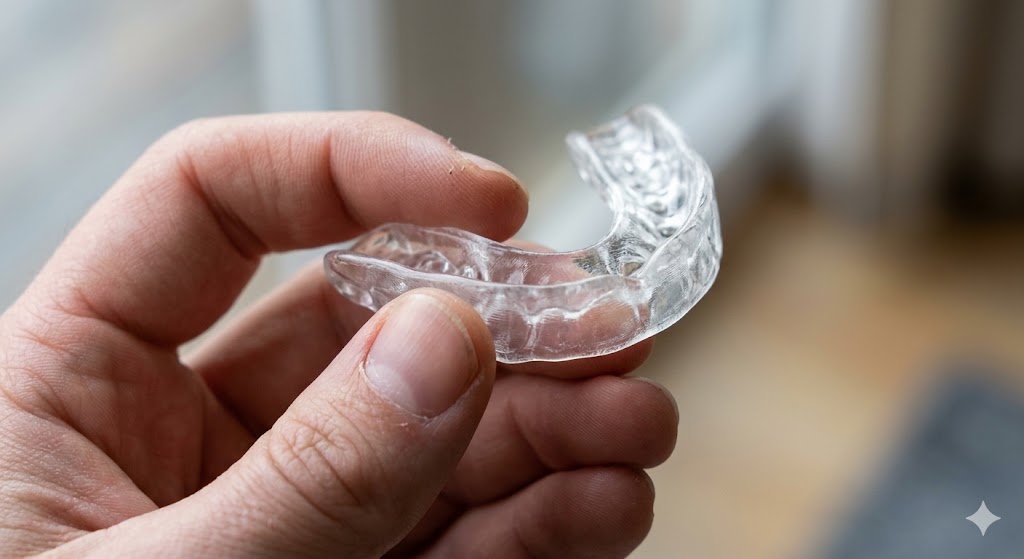
Sports and high-impact hobbies are frequently responsible for chipped or knocked-out teeth — classic dental emergencies. Use a mouthguard. If you’re playing a contact sport, for instance, hockey or football, wearing a well-fitted mouthguard cushions any blows to the teeth and jaw. This easy measure reduces the chances of bone fractures, tooth loss, and soft-tissue damage.
For grinders, a night guard distributes the force and shields enamel from slow, persistent wear that can cause cracking. Kids and teens who participate in organized sports gain from equipment inspected and exchanged as they age. Worn, loose, or damaged mouthguards should be replaced immediately, as they no longer offer complete protection and can provide a false sense of security.
Dietary Habits
Diet silently molds a lot of dental crises long-term. Regular sugary snacks and acidic beverages, like soda or energy drinks, nourish bacteria and erode enamel, increasing the likelihood of rampant decay and brutal emergencies. Opting for more nutrient-dense foods, such as dairy, leafy greens, nuts, and lean proteins, provides teeth and gums the minerals and vitamins they require to maintain strength.
Don’t use your teeth to bite things like ice, un-popped popcorn kernels or hard candy. These can chip a tooth or dislodge a filling in a moment, frequently after hours. Staying well hydrated supports saliva flow, which washes away food, balances acids, and protects against decay.
Being prepared for emergencies, knowing whom to call, which clinic has urgent care, and what to do with a knocked-out tooth on the way (keep it moist, act fast) reduces stress and increases the chances of saving the tooth. Making the most of these moments can often be the difference between having it and losing it.
Conclusion
Mouth pain can turn an ordinary day into chaos. Stepwise instructions reduce the chaos. You’re now armed with what qualifies as a true dental emergency, what can take a backseat for now, and what to do in those initial agonizing moments at home.
Urgent treatment can prevent an infection, preserve a tooth and reduce the need for extensive, painful and expensive work down the road. A chipped front tooth during a fall, a night of deep, throbbing agony, a lost filling just before a trip — every situation requires level-headedness and strategy.
Once urgent dental issues have been addressed and oral health has been stabilized, some patients choose to explore cosmetic dentistry treatments to repair chipped teeth, improve aesthetics, and restore confidence in their smile.
As a next step, establish a local emergency dentist contact, maintain a mini dental first aid kit, and discuss your individual risk with your dentist.
For additional preventive care information and community support resources, families can also review available Alberta oral health programs to help maintain long-term oral health.
Frequently Asked Questions
What counts as a true dental emergency?
A genuine dental emergency encompasses intense toothache, an avulsed or loose tooth, significant bleeding, facial swelling, or injury to the oral cavity or jaw. Such problems require same-day treatment to relieve pain, avoid infection, and safeguard your long-term oral health.
When should I go to the ER instead of an emergency dentist?
Visit the emergency room if you experience difficulty breathing, difficulty swallowing, severe facial trauma, a fractured jaw or uncontrolled bleeding. For the majority of tooth issues, call an emergency dentist first for speedy expert treatment.
What can I do at home before I see an emergency dentist?
Rinse gently with warm salt water, apply a cold compress to the area for swelling, and administer over-the-counter pain relief as directed. If a tooth is knocked out, keep it moist in milk or saliva. Contact an emergency dentist right away for advice.
Is it safe to wait a few days with dental pain?
If you wait, you risk the infection spreading, your pain intensifying, and your treatment becoming more complicated and expensive. Quick care often translates to less involved work, more favorable results, and a better likelihood of preserving that tooth. When in doubt, call an emergency dentist.
How does modern emergency dentistry help save teeth?
Today’s emergency dentistry employs digital X-rays, targeted anesthetics, and cutting-edge procedures like root canal therapy, bonding, and same-day restorations. These instruments provide swift pain relief and infection control and more often than not save damaged or injured teeth.
Can I prevent most dental emergencies?
A lot of emergencies are avoidable. Remember to keep checkups regular, brush and floss daily, wear a mouthguard for sports, avoid chewing on hard objects, and treat small problems early. Good home care and routine visits reduce the likelihood of sudden pain or tooth loss.
How fast should I act if a tooth is knocked out?
Time is of the essence. Go to an emergency dentist within 30 to 60 minutes. Hold the tooth by the crown, rinse gently if dirty, and keep it moist in milk or saliva. Immediate action provides the greatest opportunity to reattach and save the tooth.