- Key Takeaways
- Why Choose a Family Dentist?
- How to Find Your Edmonton Family Dentist
- What to Expect on Your First Visit
- The Unseen Value of a Dental Home
- Handling Dental Emergencies
- Navigating Costs and Insurance
- Review accepted dental insurance plans and confirm coverage details for preventive, restorative, and cosmetic dental services.
- Ask about direct billing, monthly payment plans, and low-rate options to make dental care affordable for your family.
- Request a clear explanation of dental fees, Alberta dental fee guide adherence, and estimates for common procedures like fillings and crowns.
- Create a checklist to compare dental clinics based on insurance compatibility, payment flexibility, and transparency in costs.
- Conclusion
- Frequently Asked Questions
- What is the benefit of choosing a family dentist in Edmonton?
- How do I choose the right family dentist in Edmonton?
- What happens during a first visit to a family dentist?
- Why is having a “dental home” important for my family?
- How do Edmonton family dentists handle dental emergencies?
- Does insurance cover family dentistry in Edmonton?
- How can I reduce family dental costs without sacrificing quality?
Key Takeaways
- A trusted family dentist in Edmonton ensures each age group gets tailored care, facilitates early detection of issues, and simplifies maintaining a regular checkup routine for all. This relationship over the years fosters trust, alleviates fears, and promotes healthier smiles.
- When searching for family dentistry in Edmonton, prioritize comprehensive services that include preventive, restorative, cosmetic, and children’s care. This way, your family can come to one clinic for everything from regular cleanings to emergency care.
- Patient experience counts, so seek out a warm staff, soothing extras, and transparent dialogues. By reading reviews and inquiring about individualized care plans, you can select a clinic that values each individual’s comfort level and objectives.
- State-of-the-art technology and a robust preventive philosophy enhance comfort and results. You can inquire about digital x-rays, guided biofilm therapy, safe materials, and routine brushing, flossing, and diet education to promote improved at-home care.
- Simple clinic logistics, like evening or weekend hours, online booking, accessible parking and emergency availability, make it easier to maintain regular visits. Going over their new patient protocol, reminders and check-in systems lets you know what to expect.
- Family Dentistry Edmonton About cost and insurance in Edmonton, direct billing, payment plans, and the Alberta fee guide for Family Dentistry Edmonton. Making a comparison checklist for coverage, fees, and payment flexibility can help steer your end decision of which family dentist.
Family dentistry Edmonton at affordable prices. A lot of family dental clinics provide checkups, cleanings, fillings, and gum care as well as other things like fluoride, sealants, and minimal cosmetic work. Many parents pick family dentists so that the entire household can see the same team, share records, and schedule appointments on the same day. Edmonton clinics vary from quaint local offices to bigger groups with extended hours and in-office digital x-rays. To assist in wading through all those options, the following sections guide you through what family dentistry typically covers, how to evaluate quality of care, and what to consider when choosing a clinic.
Why Choose a Family Dentist?
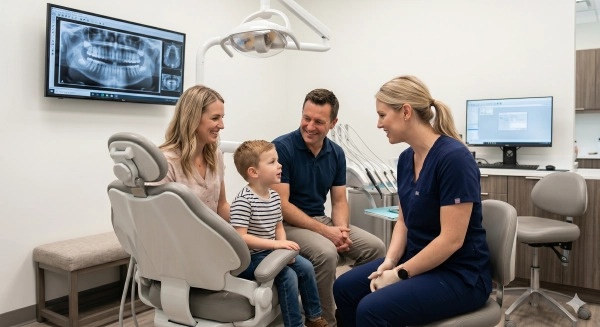
A family dentist is one location for continuous care that accommodates various ages, schedules, and ease. This type of clinic is designed to serve the entire family rather than one generation at a time, which can simplify both scheduling and care in the long run.
Why go with a family dentist? Because a 6‑year‑old, a 35‑year‑old, and a 70‑year‑old hardly ever require the same visit. Kids might have sealants, fluoride, and soft direction on brushing. Adults typically require cleanings, fillings, night guards, or assistance with grinding wear. Seniors may require treatment for dry mouth, gum disease, or assistance with bridges and dentures or long-term tooth replacement through dental implants. In one clinic, your kiddo could be getting a cavity filled while you get a checkup in the next room, and grandma comes in later for a denture adjustment. This wide, age‑sensitive attention aids in detecting connections throughout the family as well, such as a trend of tooth decay or periodontal disease.
A family dentist may reduce the scheduling turmoil. Rather than driving to two or three different clinics on different days, everyone can go in on the same day, at the same place. A lot of family practices have early morning or evening hours, so working adults, students, and caregivers can schedule a time that fits. For example, one parent might book a cleaning at 5:00 PM, a child gets a checkup at 5:30 PM, and another child comes in at 6:00 PM. This type of block booking reduces travel time, time off work, and time pulled out of school.
Trust is built seeing the same team over many years. The dentist and hygienists become familiar with medical histories, bite patterns, fears and habits for everyone. If a child is nervous, she or the team can go slow, use simple language, and take the same small steps at each visit. For an adult with jaw pain, the dentist already has previous x-rays and notes to observe changes. This extended view of your mouth aids early detection, as the family dentist is able to notice small shifts before they become big issues.
Family dentists tend to provide an entire spectrum of services all in the same place, from dental cleanings and sealants to fillings, crowns, and gum care, and occasionally cosmetic work. This one-stop setup supports preventive care in a real way: regular checkups, simple instructions on home care for each age, and quick follow-up when a risk shows up. Over time, that early-action focus can reduce the risk of painful emergencies and more invasive work.
How to Find Your Edmonton Family Dentist
Your search for a family dentist in Edmonton begins with some straightforward, basic benchmarking. Look online for general and family dentistry clinics located near home, work, or your child’s school, then filter the list by services, hours, and proximity. Add recommendations from friends, co-workers, or your child’s teacher, and call or check each clinic’s website to verify things like weekend hours, emergency treatment, and if they’re accepting new patients.
1. Range of Services
A family clinic should have most needs under one roof. This typically translates to checkups, cleanings, fillings, root canals, crowns, extractions, and emergency walk-ins for immediate pain or broken teeth. A lot of families, for example, love clinics that place and restore dental implants, so Grandma and Grandpa don’t need a new specialist.
See if the clinic has pediatric dentistry services, orthodontics such as braces or clear aligners, and restorative work such as bridges and dentures. This comes in handy when one kid needs sealants, another needs braces, and a parent needs a crown. Additional services including night guards for grinding and active sports mouthguards for kids reduce the likelihood of future harm.
Cosmetic services count for a lot of adults. Inquire about in-clinic whitening, veneers and bonding for chipped or uneven teeth, so cosmetic care doesn’t necessitate another dentist.
2. Patient Experience
Patient experience will come across on that initial call. See how the front desk squad responds to inquiries, breaks down fees, and manages scheduling. This includes back-to-back bookings for multiple family members in one appointment.
Check out online reviews that talk about kind staff, clear explanations, and gentle care for kids, nervous patients, and seniors. The best family clinics develop long-term relationships by remembering preferences, following up after extensive work, and tailoring treatment plans to each person’s objectives and comfort.
Some clinics provide small treats to comfort nerves, like zen waiting rooms, tunes, warm blankets, or basic relaxation strategies.
3. Modern Technology
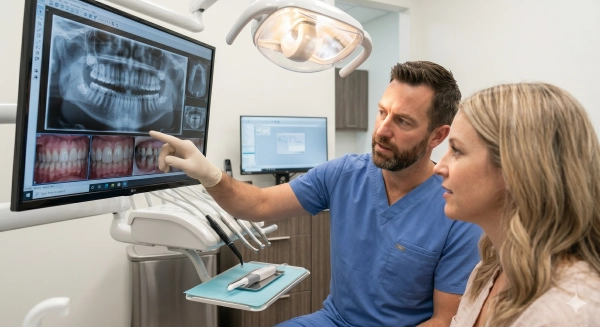
Modern tools make visits speedier and more accurate. Inquire whether the clinic employs digital x‑rays, intraoral cameras, and 3D imaging where necessary, as these facilitate precise diagnoses with reduced radiation compared to traditional systems.
Discover what materials they use for fillings and crowns and whether they adhere to modern, evidence-based practices for implants and other advanced work. For cleanings, guided biofilm therapy and other newer hygiene tools can translate into more thorough plaque removal with less discomfort.
If you or a child has dental anxiety, check if nitrous or oral sedation is offered and how they track safety during these appointments.
4. Preventive Philosophy
A robust family dentist emphasizes prevention. That’s checkups and cleanings twice a year, along with fluoride, kids’ sealants and early detection of decay or gum disease.
Ask how the team teaches brushing, flossing, and diet tips in simple language and whether they offer risk assessments for issues like cavities, gum disease, or tooth wear. Clinics that invite regular visits for all ages often help families avoid urgent, costly treatment later.
5. Clinic Logistics
Logistics can determine whether you remain with a clinic long term. Verify hours of operation, including evenings and weekends, so visits align with your work and school schedules. Lots of Edmonton clinics provide flexible slots in addition to same-day emergency and walk-ins for pressing issues.
Look at access: on-site or nearby parking, public transit, wheelchair access, and elevators if on upper floors. Consider a location that is easy to reach from common routes. For busy households, inquire whether they can schedule multiple family members back-to-back, so you’re making one visit instead of multiple.
Verify how you can schedule using a form, app, or phone. Check how reminders are provided and understand their first visit and cancellation policies. Make sure they take your insurance, do direct billing when they can, and have transparent payment plans if you require bigger treatments.
What to Expect on Your First Visit
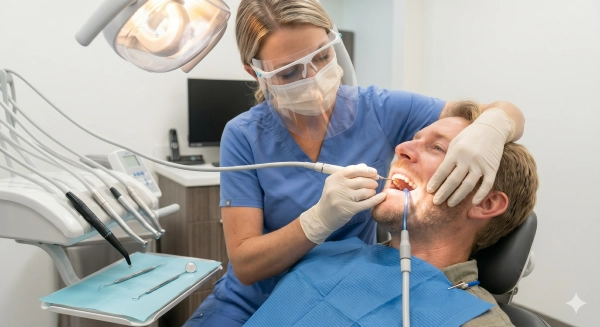
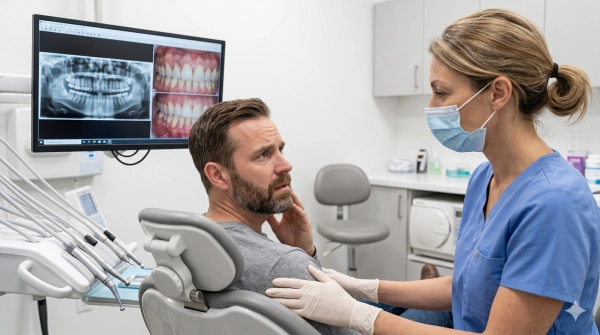
A first visit to an Edmonton family dentist will generally remain easy-going and straightforward. The primary focus is developing trust, conducting a thorough examination of your mouth and creating a personalized plan for you and your family.
You begin with a little paperwork. The team records your medical and dental history, any health concerns, medications you’re on and previous treatments. This history assists the dentist in identifying connections between overall health and your teeth or gums, like medicine-induced dry mouth or increased decay risk from chronic illness. A lot of clinics will inquire about phobias or former bad dental experiences. That’s important because your initial visit is about establishing a relationship, not hurrying into treatment.
They then take a comprehensive mouth exam. This usually encompasses digital X‑rays, an inspection of every tooth for cavities or fractures, and a thorough examination of the gums for early periodontitis. They might examine your bite, jaw joints, and soft tissues, which can detect problems such as grinding or oral cancer. For a kid, the dentist might count teeth, check spacing, and monitor how the jaws are developing.
Nearly all first visits have a cleaning. Your hygienist scrapes away plaque and tartar in places you may miss with your toothbrush and floss on a daily basis. For adults and kids, the clinic might offer a fluoride treatment if you’re okay with it and there’s an obvious benefit, say you’re prone to early cavities or have braces. The concentration and type of fluoride, gel, foam, or varnish, is typically customized based on age and risk.
You have time to chat. This is when you discuss any pain, sensitivity, grinding, or cosmetic aspirations like whitening or straightening. Your dentist then uses this to construct an easy to follow, realistic care plan, whether that’s a checkup every 6 months or a step-by-step plan for fillings, gum care, or future orthodontics. For nervous grownups and kids, they may recommend brief visits in the beginning or easy get-to-know-the-chair appointments to smooth future treatments.
Transparent communication in both directions is the common thread throughout the visit. The team will talk you through what they see on X-rays, point out where brushing might be missing, and provide immediate advice you can use at home, such as how long to brush, clean around bridges or braces, or which snacks increase cavity risk. Before you go, you typically schedule the next checkup so you stay on track instead of waiting for pain to make an appearance.
For kids, it’s the emotional side that’s critical. A calm room, gentle words, and uncomplicated equipment described in easy language can transform a frightening first visit into a normal life experience. When a kid has that sort of initial journey, it can often make it a defining moment for years to come and encourage them to maintain good oral habits well into their adult years.
The Unseen Value of a Dental Home
A dental home is a persistent connection to one office and one group that understands you, your medical past and your objectives. For many families in Edmonton, this solid foundation transforms dental care from a bunch of disconnected, one-off visits into a no-brainer plan.
There’s more value in a ‘dental home’ than you might think. With time, your dentist figures out how your teeth respond to treatment, how quickly you build plaque and what type of recommendations you’re most receptive to. They’re aware if you grind your teeth during a hectic work season or if a child is prone to between-the-molars cavities. This sort of history helps catch minor changes sooner and tailors treatment around your actual life, not a generic to-do list. Patients share more honestly when they see the same person year after year, trust and a real sense of security.
A dental home brings care for the entire family under one roof. Mom, dad, kiddos, and grandparents can all visit the same team for preventive, restorative, and cosmetic work. Appointments bi-annually for check-ups, cleanings, fillings, whitening, crowns, and even basic braces checks can all be done under one roof. It reduces care gaps, as records, x-rays, and treatment notes remain in a single system. Families can schedule block appointments so that two or three members are seen in the same morning or afternoon, which allows busy families to stay on top of visits.
For both adults and kids, a trusted clinic reduces anxiety. The same front-desk staff, the same dental assistant, and the same room setup make visits feel routine instead of scary. Kids who begin with a dental home early develop solid brushing habits and a neutral or even positive attitude toward dental care that can follow them into adulthood and result in good oral health outcomes. In a quiet, friendly environment, patients comply with treatment, inquire, and come back as scheduled.
Handling Dental Emergencies
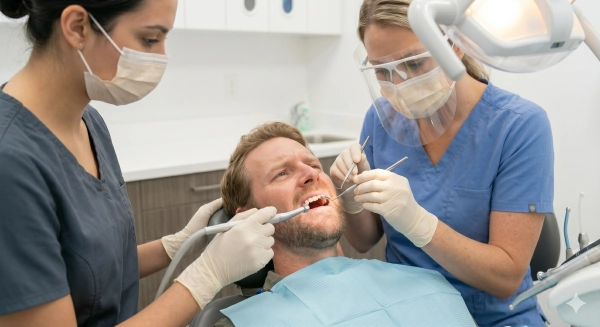
Taking care of dental emergencies in Edmonton begins with understanding what is urgent and where to go. A dental emergency is an issue that requires immediate attention to relieve severe pain, arrest bleeding, or save a tooth. That can signify a chipped or cracked tooth, a loose or knocked-out tooth, severe gum or tooth pain, facial swelling, loss of a crown or filling, or uncontrollable bleeding from the mouth. Out-of-the-blue pain from an abscessed tooth or tooth infection belongs in this camp, regardless of whether there was an obvious trauma.
For families, it’s useful to locate clinics that provide fast emergency tooth treatment prior to a mishap. Seek out an Edmonton family dentistry clinic that openly advertises same-day emergency appointments for toothaches, broken teeth, dental trauma from sports or falls, and urgent infections. Most clinics outline their emergency policy online, including whether they take walk-ins and how quickly they expect to see patients with severe pain or visible damage.
The dental team requires the equipment and expertise to provide emergency treatment in-office. We provide everything from immediate pain control to simple and surgical extractions, abscess drainage, and temporary buildups for lost crowns or fillings. A good family clinic will have digital X‑rays, sterilized tools, and infection-control policies that comply with whatever Covid restrictions on the number of people they allow inside at one time. These guidelines can shift, so it’s helpful to review present-day policies prior to necessity.
At home, it starts with you remaining calm and evaluating the damage while somebody else fetches a First Aid Kit if there’s one in the vicinity. In the event of bleeding, apply clean gauze and maintain pressure. For a knocked-out tooth, it’s important to locate the tooth, handle it by the crown, rinse with clean water without scrubbing, and preserve it in milk or saliva. Getting to a dentist within roughly 30 minutes provides the tooth the best opportunity to be preserved. For severe pain or swelling, call immediately and then search for “emergency dentist near me” in Edmonton if your regular clinic is closed. Store your family dentist’s emergency phone number and after-hours procedures in your phone so you don’t waste time searching at the moment.
Navigating Costs and Insurance
It goes a long way to understand how dental rates, insurance, and public programs all come together before you schedule that family appointment.
Review accepted dental insurance plans and confirm coverage details for preventive, restorative, and cosmetic dental services.
Begin by inquiring with any family dentistry clinic which insurance plans they accept and if they are aware of typical Canadian plans that cover care in Alberta. Once you have gotten a feel for the cost, ask the office to itemize what your plan typically covers for check-ups, cleanings, X-rays, fillings, and crowns. Most plans cover a large portion of preventive care, as frequent visits and consistent flossing reduce the likelihood of more extensive and expensive procedures down the line. Restorative work like fillings or root canals may be covered at a lower percentage and cosmetic services such as teeth whitening or veneers are typically not covered. Have the clinic submit a pre-treatment estimate to your insurer for any non-urgent work, so you are aware of your portion before you consent to treatment.
Ask about direct billing, monthly payment plans, and low-rate options to make dental care affordable for your family.
See if the clinic can bill your insurer and just charge you the co-pay. This minimizes having to pay the full bill up front. Inquire if they have monthly payment plans for more sizeable treatments, such as multiple crowns or braces, and if there is any interest or admin fee. A few low-income Albertans are eligible for some programs like the Alberta Child Health Benefit, which covers dental and other benefits up to age 18. If your family qualifies, inquire with the clinic whether they can bill these programs and how they integrate with private insurance or the CDCP.
Request a clear explanation of dental fees, Alberta dental fee guide adherence, and estimates for common procedures like fillings and crowns.
Navigating costs and insurance Alberta Dental Association and College developed Alberta’s first dental fee guide in 20 years in 2018, and it is updated annually to help maintain affordable services and promote fair pricing. The suggested prices in this guide deter price gouging and enable vital treatment. Inquire of each clinic if they adhere to the present Alberta dental fee guide and if not, how their rates compare. You can call a few dentists and pose this exact question to them, asking for sample quotes for typical work, such as an exam or cleaning, a filling, or a crown. Clinics that are transparent about their fees and that can demonstrate how they correspond with the guide help you better plan your budget and avoid unwelcome surprises.
Create a checklist to compare dental clinics based on insurance compatibility, payment flexibility, and transparency in costs.
Something as simple as a checklist will allow you to compare family dentistry options in Edmonton in a transparent fashion. Things like if the clinic accepts your insurance, has direct billing available and supports programs like the CDCP or the AB CHB. Bonus points for use of the Alberta dental fee guide, written estimates pre-treatment and clear answers to questions regarding co-pays and out-of-pocket costs. You can jot down pragmatic considerations, like how soon they can see your child for acute pain and if they discuss at-home care habits that reduce future costs, like daily brushing, flossing and regular 6 to 12 month check-ups. As the years roll on, such a checklist will help you align your family’s clinic needs with one that is both clinically and cost-wise predictable.
Conclusion
A quality Edmonton family dentist does more than repair teeth. A consistent dental home can instill daily habits, reduce anxiety and prevent minor concerns from becoming major. Kids see familiar faces. Grown-ups receive transparent schedules. The entire gang is more comfortable in the chair.
Reflect on what you currently require. Perhaps a little less kid checkup chaos. Perhaps less surprise billing. Perhaps a more serene strategy for that next toothache.
So, go ahead, make the next move, choose one Edmonton clinic. You just have to read a few reviews, call the office and book that first visit! An easy beginning can prepare your family for much easier care down the line.
Frequently Asked Questions
What is the benefit of choosing a family dentist in Edmonton?
A family dentist handles patients across the age spectrum under one roof. This simplifies scheduling, creates long-term trust, and allows the dentist to have a comprehensive picture of your family’s dental history. It can optimize preventive and early problem detection.
How do I choose the right family dentist in Edmonton?
Verify credentials, years of experience, and scope of services. Seek transparent communication, up-to-date technology, and glowing patient testimonials. Verify convenient location, hours, and emergency assistance. A brief consultation lets you see if the clinic is cozy and inviting.
What happens during a first visit to a family dentist?
Anticipate a med/dental history review, a full mouth exam, and typically digital x-rays. Our dentist will examine your gums, teeth, and bite, then explain any issues and treatment alternatives. A professional cleaning typically accompanies or follows.
Why is having a “dental home” important for my family?
A dental home is your everyday, run-of-the-mill clinic. The team knows your history, your risk factors and your preferences. This enables earlier diagnosis, personalized prevention, easier emergencies and more continuous care for kids, adults and seniors — all under one roof.
How do Edmonton family dentists handle dental emergencies?
That said, most family clinics maintain same-day or next-day emergency slots. They handle toothaches, broken teeth, lost fillings, and infections. Call the clinic immediately, tell them the symptoms, and follow their instructions. They will stabilize pain first, then plan long-term treatment.
Does insurance cover family dentistry in Edmonton?
Most plans pay for regular exams, cleanings, and X-rays, as well as a percentage of fillings and other procedures. Coverage differs by plan. Your dental office can typically verify your benefits, file claims, and describe any out-of-pocket expenses before treatment begins.
How can I reduce family dental costs without sacrificing quality?
Save regular checkups and cleanings from bigger problems. Request a written treatment plan with alternatives. Most Edmonton clinics provide payment plans, insurance direct billing, and family package appointments to minimize time off work and travel expenses.