- Key Takeaways
- The Core Benefits of Family Dental Care
- Care Across Generations
- Beyond Routine Checkups
- How Technology Elevates Care
- Building Lifelong Trust
- Making Dental Care Accessible
- Conclusion
- Frequently Asked Questions
- What is family dental care?
- Why choose a family dentist instead of separate dentists?
- How does family dental care support children and seniors?
- What advanced technology is used in family dental care?
- Are routine checkups enough for good family dental health?
- How often should a family visit the dentist?
- How can family dental care be made more affordable?
Key Takeaways
- Family dental care brings together appointment, records and services for everyone, regardless of age. It’s a time and stress saver for busy households. Opt for one clinic for the kids, you and grandma to streamline your family’s ongoing oral care.
- Encountering the same dental team for a number of years fosters confidence and ease in all members of the family. Search for a practice that keeps records and provides care from childhood to old age.
- Conveniently, the best full-service family practices offer preventive, cosmetic, restorative, and emergency care all under one roof. When comparing clinics, verify that they can accommodate shifting needs like orthodontics, implants, and age-related conditions.
- State-of-the-art technologies including digital imaging and intraoral cameras enhance diagnostic precision, comfort, and patient education. Inquire among prospective dentists what technology they utilize and how that technology facilitates clearer explanations and less invasive treatment.
- A family-centered clinic fosters healthy habits via positive role modeling, transparent communication, and hands-on education. Turn dental visits into a family routine and use advice from your dentist to reinforce brushing, flossing, and diet at home.
- Convenient family dental care provides convenient hours, assistance with insurance and payments, and an inclusive atmosphere for all types of needs. Make scheduling convenient, financial transparency a priority, and ensure a calm, respectful, anxiety-reducing atmosphere when selecting a dentist.
Family dental care is a complete spectrum of dental treatment for everyone under one roof – from children to seniors. Most family dentists provide regular checkups, cleanings, fillings, fluoride, and sealants, along with advice on brushing, flossing, and nutrition. Some clinics supplement that with orthodontics, gum care, and cosmetic work, which helps families cover most of their needs in one location. Routine appointments tend to detect cavities, gum disease, and bite problems early, all of which may save you pain, expense, and anxiety down the road. Common visits and records simplify tracking health trends in a family. The following sections detail what to expect and how to select a good family dentist.
The Core Benefits of Family Dental Care
Learn more about how comprehensive family dentistry services can simplify care for every member of your household.
- Establish a lifelong connection with a dentist who understands each individual’s medical history, fear triggers, and lifestyle habits, so treatment plans fit genuine needs rather than conjecture.
- It keeps everyone on a schedule of cleanings, exams, and X‑rays, which aids in the early detection of cavities, gum disease, and wear caused by grinding.
- Take care of most services in one office instead of bouncing between several. This reduces travel, waiting, and form-filling in triplicate.
- One office can see multiple family members in one visit, which can make dental care more efficient and easier to fit into busy schedules.
- Allow the same crew to follow trends over the years, catch genetic risks, and tailor advice for diet, brushing, and flossing before concerns flare.
- Simplify claims and direct billing through one front desk that knows your policy rules, pre-authorizations, and copay habits.
1. Unmatched Convenience
Family practices are designed for grouped visits. Mom and Dad can bring two kids for checkups, add a cleaning for themselves, and have grandma’s denture checked all in the same morning, reducing work and school missed. For a lot of families, this is the only feasible way to maintain consistent care on the schedule.
One of the advantages is that most family clinics offer cleanings, exams, fillings, root canals, crowns, simple extractions, and emergency care all under one roof, so you don’t have to go looking for a new dentist every time a new issue pops up. Late evenings, early mornings, and a few weekend hours frequently assist shift workers or those who commute long distances outside of the downtown core. Because so much can be addressed without outside referrals, treatment plans are accelerated and less confusing.
2. Lifelong Continuity
A family dentist maintains a full file on everyone under the same family umbrella. That file typically holds X-rays, previous work, notes on sensitivity and things like sports habits or night grinding. Because your family dentist sees this history over years, they can detect gradual changes like gum recession or enamel wear and intervene before discomfort presents.
Knowing that same team from childhood through adulthood and into your golden years creates trust. Kids tend to be more at ease when they see that room, smell that smell, and see that hygienist who cleaned their teeth last time. Seniors receive continuity of care as they transition from natural teeth to partials or implants with clinicians who already know their medical restrictions and prescriptions.
3. Comprehensive Services
Family dental care tends to address preventive work first, like exams, cleanings, fluoride and sealants, since this makes the greatest impact on oral health over the long term. Many clinics include cosmetic procedures like whitening or veneers and restorative treatments like crowns, bridges and dentures for damaged or missing teeth.
Other practices host orthodontics and implants in-house, so a teen’s braces and a parent’s implant can both be scheduled under the same roof. With a team that’s accustomed to treating toddlers, working adults, and seniors, they can adapt how they explain things, how long they schedule per visit, and what tools they use.
4. Shared Health History
When one dentist treats parents and kids, it’s easier to see family trends. If both parents have a good record of gum disease or crooked teeth, the dentist can monitor the children more closely for early symptoms and initiate treatment earlier. Shared records help us plan ahead for families with diabetes, heart disease or medication dry mouth, which increase the likelihood of cavities and infections. This collective perspective enables the dentist to provide coordinated recommendations, like when to eat, how to use fluoride, and what at-home tools work best for the entire family.
5. Positive Modeling
Family appointments make oral hygiene a communal habit instead of an occasional, anxiety-inducing experience. When kids observe adults sitting calmly in the chair, inquiring and scheduling the next cleaning, they learn that checkups are standard. This frequently reduces dental phobia and instills positive habits, such as twice-a-day brushing and flossing at a young age.
Over the years, these easy habits can minimize emergency appointments and promote stronger dental health for decades.
Care Across Generations
Family dentistry unites toddlers, teens, adults, and seniors under one clinic, so everyone receives care tailored to their age, habits, and health. One dentist can follow how mouths evolve over decades, identify genetic trends, and strategize instead of just reacting. Such long-term thinking helps uphold strong teeth, leads to fewer surprises, and creates more fluid schedules for hectic families.
For Children
- Short, calm first visits to build trust
- Soft exams to monitor the expansion of infant and adult teeth.
- Cavity checks and early decay detection
- Preventive care: cleanings, fluoride, and sealants
- Diet guidance to cut sugar and acid exposure
- Coaching on brushing, flossing, and routine
- Parent education about teething, thumb sucking, and injuries
Most family dentists will apply a fluoride varnish to fortify new enamel and sealants to back molars where food tends to get trapped. This reduces cavity risk in school-age kids, which is critical when brushing is still hit-or-miss. Routine dental visits catch crowding or bite problems, so the dentist can recommend early orthodontic examinations instead of waiting until problems are severe.
When parents and kids visit the same dentist, recommendations about brushing twice a day and flossing daily can be demonstrated in real time, with the child observing a parent’s technique. This communal environment transforms dental hygiene into a familial routine, not a one-time edict.
For Adults
Adults usually need a full range of services: cleanings, fillings, crowns, root canals, and sometimes cosmetic care such as teeth whitening or clear aligners like Invisalign. A lot of them battle gum disease, work-related tooth sensitivity, or stress and sleep-related bruxism. A family dentist can connect these issues to lifestyle factors, like a sugary drink diet, smoking, or night-shift work, and recommend minor, achievable adjustments.
Having one practice for the entire family can trim both stress and expense. One clinic visit can serve two or three people, saving travel time and making it more feasible to maintain check-ups that protect teeth for years. Dental records remain local, therefore there is no history lost when someone relocates between districts or careers. This aids in coordinating care with medical conditions such as diabetes, pregnancy or heart disease, where gum health may impact overall health. Several family dentists assist in planning care around insurance cycles and may provide package discounts of 5 to 15 percent, so big work like crowns or implants is timed in a way that buffers the financial blow.
For Seniors
Seniors tend to contend with dry mouth from medications, gum recession that exposes sensitive roots, and tooth wear or loss. A family dentist who has seen the patient for decades can observe how rapidly these changes are occurring and create an easy, customized plan that accommodates mobility, memory, and budget. Restorative possibilities could include partial or full dentures, fixed bridges, or implants with crown work to maintain any other remaining teeth.
Regular checkups for older adults are an opportunity to check for oral cancer, fungal infections, and slow-healing sores, which are more prevalent in advanced age. Hitting these early can make a big difference in treatment outcomes and comfort. Staff accustomed to walkers, wheelchairs, and dementia can keep visits soothing and secure, from extended slots to slow, simplified education for patients and caregivers alike. This consistent, dignified care keeps seniors eating well, talking clearly, and smiling with confidence.
Beyond Routine Checkups
Family dentistry is more than just exams and cleanings. It connects daily habits, emergency assistance, aesthetic targets, and long-term repair into a single plan for everyone in the household.
Emergency Response
Tooth emergencies can strike our kids, ourselves, or even our parents or grandparents. A tooth can crack while eating, a sports incident can knock out a tooth, and sudden swelling and severe pain all require immediate treatment, not a wait of days. Clinics with same-day or walk-in appointments help families receive care when it counts, which can be the difference between saving and losing a tooth.
A good, well-trained emergency team understands how to treat dental trauma, from stabilizing broken teeth to performing safe extractions when necessary. They break down what they’re doing in clear steps, so parents and patients know why an X-ray is necessary, why a root canal might be recommended, or why a cut gum needs to be stitched. This type of consistent, easy conversation alleviates tension when people hurt.
Flexible hours, like early mornings or late evenings, accommodate busy families. When the whole family can visit the same clinic for urgent and routine care, it streamlines records, follow-up visits, and payment plans.
Cosmetic Enhancements
Cosmetic dentistry isn’t just about appearances. It frequently enhances your confidence at work, school, and in your social activities. Whitening for tea or coffee stains, bonding to repair minor chips, and porcelain veneers to conceal worn or gapped teeth are standard fare for adults and older teens. A quality family dentist will go for a natural look, with matching color, shape, and size opposite to one’s face and age.
Digital scans, shade-matching tools and transparent preview images let patients see probable results prior to signing on. Brief consultation visits enable patients to inquire about fees, timelines, and the type of maintenance care required to maintain results over time.
Restorative Solutions
Restorative dentistry is centered around restoring strength, comfort, and function when teeth are broken or missing. When teeth become damaged or missing, restorative dental treatments can help rebuild function, comfort, and confidence. Crowns shield brittle teeth following big fillings or root canals. Bridges and dentures close gaps when multiple teeth are missing. When appropriate, dental implants provide a fixed option that can mimic a natural tooth during chewing and speaking.
For smaller issues such as cavities, premium fillings installed using minimally invasive techniques conserve as much good tooth as possible. A dentist might opt for tooth-colored materials that blend with adjacent teeth, which is important in front teeth but can make kids and adults feel less self-conscious everywhere.
Most families require phased treatment plans when multiple teeth, gums, or bite alignment are concerned. A transparent written plan, phased, provides a summary of expense, time, and priorities. For example, stop painful teeth from hurting, then work on chewing on one side, and then work on aesthetics. Building with strong materials and six-month check-ups allows us to keep this work steady, which generally reduces cost in the long run.
Beneath all of this daily care is still the foundation. Brushing for two minutes twice a day and flossing once a day, along with the appropriate fluoride level, maintains any restorations and helps prevent new cavities.
How Technology Elevates Care
Digital tools now occupy the center of family dental care, influencing how dentists diagnose, strategize, and implement treatment. From that all-important first check-up to the most complex procedures, technology assists in making care more precise, faster, and gentler for patients young and old.
Accurate Diagnostics
| Technology / Practice | Key Benefit for Families |
|---|---|
| Digital X‑rays | Lower radiation, fast images, clear view of hidden issues |
| Intraoral cameras | Real‑time visuals, better understanding and trust |
| Digital charts and notes | Long‑term tracking across years and family members |
| Computerized treatment plans | More precise, tailored care and safer decisions |
Digital X‑rays have supplanted film X‑rays in numerous practices, reducing radiation and wait time while providing clearer images of teeth, roots, and bone. This aids in detecting decay between teeth, infections in the root tip, or early bone loss before they become painful.
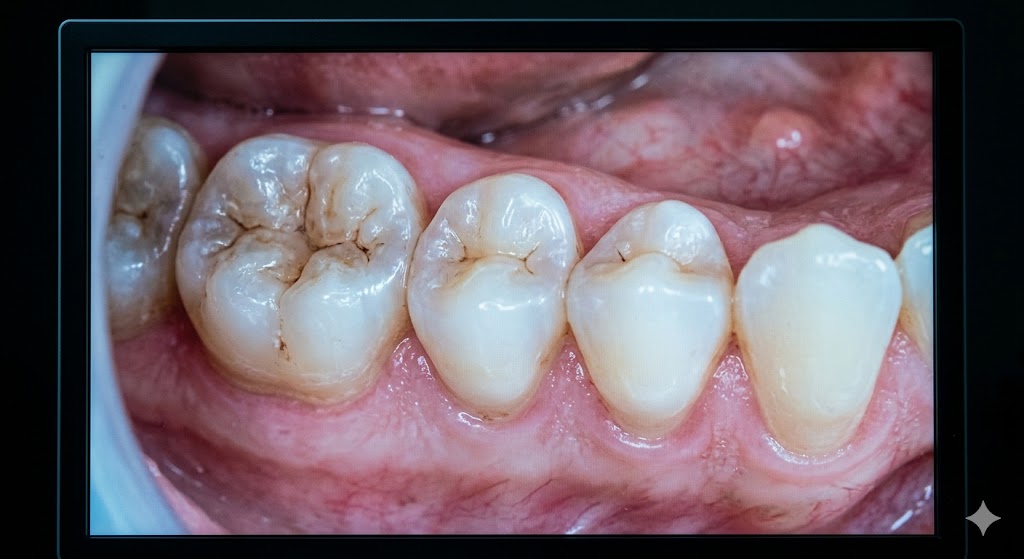
Intraoral cameras provide a real time, magnified image of fractured fillings, eroded enamel, or irritated gums on a chairside monitor. Kids, adults, and senior patients can all see what the dentist sees, which makes treatment plans feel specific rather than nebulous.
When all images and notes enter a digital record, dentists can review visits year over year, monitor bite or wear pattern changes, and identify early shifts in a child’s tooth development. This early detection can often translate to easier, less invasive treatment and quicker assistance in dental crises.
Comfortable Treatments
Advanced instruments emphasize comfort as much as utility, which means families are chair-side less and with less discomfort. High-speed but quiet handpieces, soft-tissue lasers, and more precise local anesthesia reduce pain, numb only what is necessary, and speed recovery. Sedation, including IV sedation for deep or prolonged work, assists patients who experience intense fear or a hypersensitive gag reflex.
Several practices outline treatment rooms and waiting areas to ‘feel’ calmer, with softer lighting, minimalist decor and entertainment for kids. Combined with a team trained to talk patients through every step, check in frequently and react swiftly to discomfort, this thoughtful use of technology and design reduces anxiety and empowers more people to maintain appointments.
Better Education
Digital models, 3D animations, and crisp before-and-after photos break down cavities, gum disease, and bite issues in simple visual language. Patients can observe how plaque accumulates at the gumline or how a retained baby tooth can impact adult tooth alignment down the road.
When patients know what’s available, they can make decisions balancing cost, time, and anticipated outcome more confidently. This enables more individualized selections that fit wellness requirements, budgets, and timetables.
A number of clinics share straightforward digital or printed post-visit care instructions, with brushing techniques, flossing methods, and daily care checklists. Secure online portals, e-mail or messaging ease asking follow-up questions and getting reminders, which keeps care on track between visits.
Open, two-way communication supported by vivid images appears to increase families’ adherence to home care and attendance for preventive visits.
Building Lifelong Trust
When you build lifelong trust in a family dental practice, patients keep coming back from childhood through older age. Their oral health is monitored in a consistent manner. This long view allows the dental team to detect both dental and potential systemic problems early on and guide each family member through various stages of care under one roof.
- Assists in tracking teeth, gums, and bite over years and decades.
- Connects oral and general health by tracing lifelong trends.
- Builds comfort through familiar faces, routines, and clear expectations
- Simplifies planning and coordinating care for the entire family.
- Helps drive better outcomes by identifying issues early and acting quickly.

Reducing Anxiety
Dental anxiety in kids and adults is often born from one bad visit. A trusted family dentist would employ a slow, gentle touch, explain what he was going to do before doing it, and check in regularly during treatment. For a drill-frightened child, this could translate to quick trips centered around “tooth-counting” initially. Then, introducing basic cleanings occurs once trust develops.
Small comforts can change the entire feel of a visit. Soft music, a light blanket, sunglasses to shield the light, or a small hand-held toy provide the mind with something else to concentrate on. A lot of offices maintain picture books or soothing videos in the waiting room, allowing younger patients to associate the office with neutral or even positive memories.
Staff training is critical. When a team knows how to read body language—tight shoulders, shallow breathing, clenched hands—they can pause, ask what the patient needs, and improvise the plan. Over time, these regular visits, steady routines, and sincere celebration of small victories help dental care feel normal rather than scary, which is critical for lifelong trust.
Fostering Communication
Strong communication makes it easier to trust one dentist for the entire family. Every visit a GOOD family practice inquires about goals, budget, pain, experience and then individualizes a plan. For instance, a money-conscious parent might opt for a staged course that addresses immediate needs.
Explanations are best when they’re short and crisp. Instead of technical words, the dentist could say “deep cleaning to treat gum infection” instead of “scaling and root planing.” Easy written or digital aftercare sheets, with lines such as “rinse with salt water two to three times a day,” help minimize uncertainty at home.
In most families, multiple people contribute to health decisions. Whether it’s parents in a teen’s orthodontic plan or adult children in a senior’s denture care, involving everyone keeps everyone aligned. Explicit consent, shared treatment notes, and options explained in simple language all help facilitate this shared decision-making.
Communication isn’t over when the patient exits the office. Online booking, email or text reminders, and follow-up messages after big jobs leave the door open for inquiries. This consistent connection over months and years fosters the feeling that the dentist understands the family and will be present when required.
Creating Habits
Family dentistry works best when office care and home habits support each other. Regular cleanings and exams, often every 6 months, give the dentist a timeline of each mouth: where cavities tend to form, how gums react over time, and whether bite or jaw issues are getting worse. Regular visits combined with professional dental hygiene care help reduce the risk of cavities, gum disease, and other preventable oral health concerns.
Daily rituals at home count just as much. A lot of family dentists will spend time teaching kids and adults how to brush for roughly two minutes twice a day and floss or use interdental brushes once a day. They might employ basics such as plaque-disclosing tablets to demonstrate brushed-missed areas.
Tracking progress brings motivation. A child who completes a year of cavity-free visits may receive a small reward or compliment. An adult who completes braces or stabilizes gum disease can view before and after photos and chart notes that demonstrate how far they’ve come.
Good practices share practical tools: age-appropriate toothbrush guides, tips for choosing low-sugar snacks, or reminders to drink water instead of sweet drinks. When this advice is consistent throughout childhood, adulthood, and senior years, patients recognize that their dentist has experienced each phase and can evolve as they do, which is the essence of lifelong trust.
Families can also benefit from reviewing oral health resources and preventive care information to reinforce healthy habits between dental visits.

Making Dental Care Accessible
Making dental care accessible means families can access the right care at the right time in one place without added stress. It includes how they pay, their experience moving through the space, when they get to book, how welcome they feel from that first call to the revisits, and everything in between.
Flexible payment options assist in eliminating a big obstacle. Transparent pricing, insurance direct billing and claim form assistance eliminate hassle and confusion, particularly for dental insurance newbies and public plan users. A few clinics provide cost ranges pre-care, discuss low-cost alternatives, or stage care so families can strategize. Payment plans, split bills for bigger cases, and digital payments in one visit make it easier for parents or caregivers who juggle care for multiple family members at a time.
Accessibility means the clinic is open to new patients and prepared for a diverse range of needs. A family practice that treats toddlers, teens, adults, and older adults all in one location eliminates the inconvenience of having to see different specialists for routine care. It’s handy for multigenerational households or caregivers who schedule for both children and elderly parents. If a clinic is convenient to public transportation or has good parking and signage, it’s easier for busy families to squeeze a visit into a hectic day.
Barrier free design and a calm, friendly team are as important as the equipment. Ramps, wide doors, lifts and step-free rooms assist wheelchair, walker or stroller users. Short, transparent check-in processes, tranquil waiting rooms, and staff trained in working with nervous patients or patients who may require additional time establish trust. A warm, no nonsense tone can diminish apprehension for those who had bad previous appointments. Basic instruction for brushing, flossing, diet and home care empowers kids and adults to feel in control of their oral health.
Busy families usually require flexible scheduling above all else. Early morning, evening, or weekend hours assist those with office or shift hours. Booking back-to-back slots for all family members on the same day reduces travel and time missed from work or school. Same-day or next-day visits for emergency pain, broken teeth, or sudden swelling make care more accessible when issues can’t wait. When check-ups, cleanings, and many fundamental treatments rest under one roof, folks skip repeat referrals and can keep their care on course for decades.
Families looking for additional financial assistance and oral health support can also explore the oral health programs available in Alberta.
Conclusion
Family dental care keeps things easy. One clinic. One team. One plan for the entire gang. That means kids, teens, parents, and even grandparents all receive consistent care tailored to every life stage.
Quality family care is more than just about your teeth. It assists in detecting minor problems before they become serious. It reinforces routines at home. It eliminates fear and stress in the chair. It utilizes crystal clear scans and tools that let you see inside your mouth.
Before you know it, one trusted office begins to feel like a home field advantage. Your history remains in one location. Your dentist knows your story, not merely your chart.
Prepared for that type of arrangement? Find a local family dentist, read reviews, ask questions, and book that appointment.
Frequently Asked Questions
What is family dental care?
Family dental care offers dental treatments to patients of all ages under one roof. Dentists concentrate on prevention, early diagnosis, and treatment. This assists families monitor dental history, streamline appointments, and nurture long-term trust with one dental team.
Why choose a family dentist instead of separate dentists?
Family dentist sees kids, adults, and seniors all at once. It saves time, eliminates stress, and provides consistent care. Your dentist knows your family history, habits, and needs, which allows for better prevention, faster treatment, and more personalized advice.
How does family dental care support children and seniors?
Family dentists tailor care for every stage of life. Kids get soft preventive care and education. Adults receive preventive care and maintenance. Seniors need assistance with gum health, tooth replacement, and dry mouth. One clinic handles evolving needs.
What advanced technology is used in family dental care?
Most family practices employ digital X-rays, intraoral cameras, 3D imaging and new cavity detection tools. These technologies enable earlier diagnosis, less invasive treatment, and more transparent explanations. Patients are able to see what the dentist sees, which fosters comprehension and confidence.
Are routine checkups enough for good family dental health?
Regular checkups are important, but not sufficient by themselves. Daily brushing and flossing, a balanced diet, and early treatment count. We recommend regular visits so we can catch problems early. At home, these habits maintain healthy gums, minimize cavities, and promote lifelong oral health.
How often should a family visit the dentist?
About every 6 months is ideal for most families. Certain individuals with gum disease, numerous cavities or medical conditions may require more frequent visits. Your dentist will suggest a schedule based on your age, risk and oral history.
How can family dental care be made more affordable?
A lot of family practices provide preventive plans, payment options and insurance support. By coming in for regular checkups, you can avoid expensive emergency treatments. Preventive care, like cleanings and sealants, will keep your costs down in the long run by diagnosing little problems before they become big ones.