- Key Takeaways
- The Silent Dental Alarms
- When Your Smile Changes
- Beyond the Obvious Symptoms
- Why Proactive Care Matters
- Navigating Edmonton Dental Care
- Your Next Step
- Conclusion
- Frequently Asked Questions
- How do I know it is time to visit a dental clinic in Edmonton?
- What “silent” dental problems should I watch for?
- Why is proactive dental care better than waiting for pain?
- How often should I see a dentist in Edmonton?
- What should I look for when choosing a dental clinic in Edmonton?
- Are changing teeth or shifting teeth a dental emergency?
- Does better dental care really affect my overall health?
Key Takeaways
- Listen for these silent warning signs — bleeding gums, tooth sensitivity, bad breath, jaw aches and dry mouth — because these things can signal early dental issues that require a trip to a dental clinic Edmonton. Don’t wait until you’re in pain to book a checkup.
- Go to the dentist regularly. Schedule exams and hygiene appointments so dentists can identify lurkers like early decay or bone loss before they become emergencies. With regular preventative care, treatments tend to be more straightforward, leading to less chair time and reduced costs over time.
- Pay attention to any noticeable alterations in your smile like staining, chipping, cracks, shifting teeth or spacing, as even mild cosmetic changes can indicate underlying dental issues. Maintain a minimalist list of modifications and share it with your dentist at every appointment.
- Consider persistent symptoms such as jaw clicking, chronic headaches, or dry mouth as excuses, not as normal pain. Early evaluation safeguards your oral health and can avoid more complicated treatments down the road.
- When selecting a dental clinic in Edmonton, seek out full-service practices that offer transparent information around fees and insurance, as well as assistance with initiatives including the Canadian Dental Care Plan. Inquire about emergency appointments, family dentistry, and referrals to specialists when necessary.
- Be proactive by booking a general dentist for a comprehensive exam if you recognize any of these silent dental alarms or if your last visit was over six to twelve months ago. Regular relationship care with a trusted dental team drives long-term oral health and overall well-being.
A dental clinic in Edmonton is a specialized local health care facility providing professional care for teeth, gums, and oral health needs for patients across all age groups. Most clinics in the city offer checkups, cleanings, fillings, root canals, and cosmetic work such as whitening or veneers. Some provide immediate relief for pain, fractured teeth, or infections and collaborate with specialists for surgery or orthodontics. I believe clinic choice comes down to location, hours, insurance, and comfort with the team. To assist in filtering through the choices, the following segments step through what services to anticipate, how to evaluate clinics, and what indicators signal a high-quality practice in Edmonton’s bustling dental care landscape.
The Silent Dental Alarms
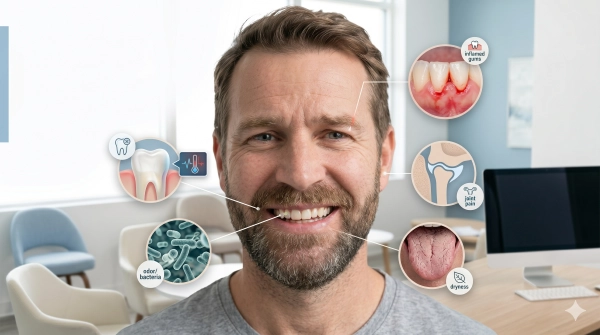
Silent dental alarms are minuscule alterations inside your mouth that suggest a bigger issue. Most of them aren’t painful, which is why regular checkups at an Edmonton dental clinic are critical, even if you feel fine day to day.
1. Gum Discomfort
Bleeding, swelling or soreness along the gum line tends to be the trademark of early gum disease, even when teeth seem firm and without pain. Bleeding gums every time you brush or floss isn’t normal and they can mean plaque and tartar are just lurking below the gum line where only a hygienist’s pick can save you.
Alterations in gum color or texture are silent alerts, too. Gums that transition from a healthy pink to dark red or appear shiny and puffy could require attention from an Edmonton dentist that provides periodontal treatment. For others, gums recede, elongating the appearance of teeth and exposing roots that eventually become sensitive.
Routine dental cleanings take the buildup you can’t clean away and provide the team an opportunity to probe pockets around teeth with easy measuring instruments. Not paying attention to early gum indicators can result in loose teeth, increased treatment expenses, and even associations to broader health issues such as diabetes or heart disease.
2. Tooth Sensitivity
Tooth sensitivity to hot drinks, cold water, or sweet food can indicate enamel wear, tooth decay, or exposed roots, even in the absence of severe pain. Typical culprits are a worn filling, grinding your teeth, receding gums, or recent dental work that is just a little off.
Desensitizing toothpaste can assist for a time and may numb mild symptoms. If it gets worse, wakes you at night, or makes you avoid certain foods, have an Edmonton general dentist look for cracks, cavities, or gum loss before the issue becomes an emergency.
3. Lingering Odour
Chronic halitosis, or a weird taste that lingers, usually originates from plaque, undetected decay, or gum disease rather than just food. Brushing and mouthwash can mask the smell temporarily but do not address the source.
Not only do routine dental cleanings at an Edmonton clinic eliminate the debris of lodged food and bacteria between your teeth, under your gums, and around your dental work, they check for silent alarms such as coating on the tongue, dry mouth, or little infections that you don’t notice when you look in the mirror.
Home habits still matter: brushing twice a day, cleaning between teeth, and brushing or scraping the tongue help keep breath fresh. By monitoring your eating habits, snacking frequency, and dental hygiene, it provides your dentist a more complete profile while enabling you both to put into place small, actionable modifications.
4. Jaw Aches
Jaw aches, stiffness, or clicking when you open wide can signal problems with the jaw joints (TMD), nocturnal tooth grinding, or a misaligned bite. They begin mildly, so most of us disregard them until chewing becomes difficult.
If your jaw pain is accompanied by headaches, earaches, or difficulty opening your mouth, a dental exam in Edmonton can rule out worn teeth, stress-related clenching, or wisdom teeth pressing on adjacent teeth. Early treatment could be as basic as a night guard, bite modification, or targeted jaw exercises. All of these can prevent the need for more advanced treatment down the road.
5. Persistent Dryness
Chronic dry mouth is another silent alarm, particularly in older adults, those on multiple medications, or individuals with medical conditions that decrease saliva output. Without adequate salivary flow, teeth become prone to cavities, gums can become inflamed, and dentures can chafe.
A dentist in Edmonton can evaluate your medical history, medication list and dental exam to identify factors you might not associate with your mouth. In the interim, frequent water sips, saliva substitutes and minimizing sugar and acidic beverages can minimize the immediate threat.
When left untreated, dry mouth increases your risk of rapid onset cavities and gum disease that require urgent or even emergency dental intervention, something that’s typically more expensive and more invasive than early preventive measures.
When Your Smile Changes
Smile changes don’t usually happen overnight. They accumulate over weeks or years, and they can reveal a great deal about your oral health. An Edmonton dental clinic can help sort out which changes are harmless and which need prompt care. It starts with you paying close attention to what you see in the mirror.
When your smile changes, visible shifts in tooth color, shape or alignment typically indicate that it is time to schedule a dental visit. Dark spots, yellow bands near the gums, or one tooth that is darker than the rest can all point to decay, past trauma, or nerve problems. Shorter or more worn-looking teeth may exhibit evidence of heavy grinding that can cause cracks and jaw pain. Even a slight twist in a front tooth or a gap that was not there before can indicate gradual shifting due to gum disease or tooth loss. A full smile makeover can take three weeks or several months. Early checkups assist in scheduling treatment at a rate that matches your lifestyle.
Chipped, cracked, or loose teeth require even more rapid intervention. A chip on a front tooth from biting a fork, a crack from biting into a hard seed, or a loose tooth when you push with your tongue are all reasons to be seen soon. One Edmonton dentist might recommend bonding, a veneer, or a crown to protect the tooth, or in more severe cases, root canal treatment or an implant. Missing teeth have an effect on how you feel about your smile and your bite, and a lot of folks struggle to feel attractive until those gaps are addressed.
A simple checklist helps track changes and know when to call a clinic:
- Discolorations or dark spots that do not brush away.
- Teeth that look shorter, thinner, or more worn.
- Small chips, hairline cracks, or “rough” edges.
- Any tooth that feels loose or moves slightly.
- New gaps, crowding, or overlapping teeth.
- Ongoing gum redness, swelling, or bleeding.
- Spaces from missing teeth that affect chewing or speech.
Families look at cosmetic issues as “only looks,” but small visual shifts can reflect big underlying needs. A little chip can conceal a crack. Even mild crowding can complicate cleaning and increase the risk of decay. Prior to any aesthetic work, dentists prioritize a healthy foundation, as a resilient grin is a requisite before veneers, whitening, or complete smile design. A full smile design can cost anywhere from around $10,000 to $30,000. Most clinics strategize care in phases to space out visits and expenses. Modern cosmetic dentistry in Edmonton typically delivers natural, long-lasting outcomes — not Hollywood-whitened teeth — and a lot of patients prefer a staged smile makeover they can afford over time. Such an extensive schedule typically turns into an investment in personal brand and daily confidence when work environments still value first impressions.
Beyond the Obvious Symptoms
A lot of dental and oral health problems sneak up on you. Your teeth can appear to be fine in the mirror, but your deeper structures in your mouth, jaw, and bone may already be under duress. A good dental clinic in Edmonton will care not only about what you’re feeling today but what’s lurking in the background.
Some of the worst things, like bone loss around teeth or early cavities in between teeth, don’t hurt initially. Gum disease can begin with mild redness or a little bleeding when you brush and progress to bone loss that is invisible to you. Initial cavities in tight spaces, beneath old fillings or around crowns can remain undetected for months. Sometimes, the tooth is broken or loose, which typically indicates that the process is already too far along.
Regular checkups and dental x-rays detect these silent problems before they become emergency care. Bitewing x-rays, for instance, can reveal decay between teeth that appears normal from the front. Panoramic or 3D scans utilized in numerous Edmonton clinics can detect cysts, impacted wisdom teeth, sinus changes, or bone defects not apparent during a regular exam. Routine oral cancer screenings are important, too. Oral cancer can appear on the tongue, lips, cheeks, gums, or throat – sometimes as a little patch, a subtle discoloration, or a hard lump that’s simple to overlook. Screening tools and strong lights can detect shifts that the naked eye might overlook.
Good dental records and consistent hygiene visits give your dentist a benchmark. Over time, they can compare x‑rays, notes and photos to identify minor changes in bone density, tooth wear from grinding or gradual gum recession. This long‑view record can assist in flagging early indications of oral cancer, like a lump or thickening in the mouth or neck, or a region that heals more slowly than normal.
Any new sensation in your mouth is worth discussing with your dental team. Numbness or tingling in the lips, tongue, or face, voice changes, or difficulty swallowing can indicate something more serious, like later-stage oral cancer. Persistent pain in the jaw or mouth unrelated to chewing, altered taste or smell, or new difficulty moving your tongue or jaw open should be evaluated as well. These indicators might not seem pressing on a daily basis, but early examination by your dentist or hygienist can inform subsequent treatment or a referral to a specialist while options remain diverse.
Why Proactive Care Matters
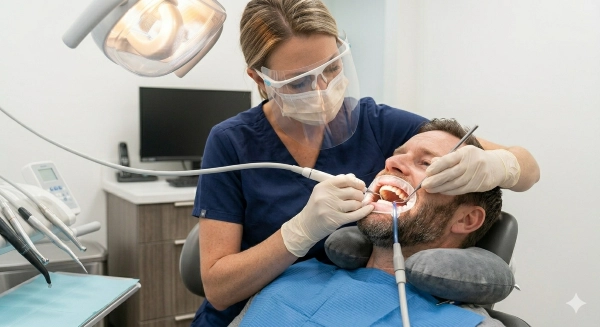
Proactive care is about preempting issues, not waiting for pain or visible decay. In an Edmonton dental office, this typically focuses on regular exams, cleanings, and minor procedures that maintain teeth and gums in a good, steady state over time instead of vicious emergency visits.
By doing preventive dentistry and early intervention, you reduce the number of root canals, extractions, or full crowns that are needed. For instance, a tiny cavity discovered during a 6‑month checkup is typically repaired with a simple filling in a single brief appointment. If you ignore that same cavity, it can reach the nerve, cause an infection, and need a root canal, a crown, or even removal. Early care prevents gum disease before it causes receding gums or loose teeth. A patient who visits twice a year for scaling and exams typically sidesteps painful swelling, advanced infections, and last‑minute emergency care.
Proactive care has obvious cost and time savings. These routine visits and cleanings reduce the likelihood of tooth loss, gum disease, and oral infections, which are more difficult and costly to treat down the road. The table below gives simple examples:
| Approach | Typical Care | Likely Outcome | Cost Trend |
|---|---|---|---|
| Proactive (checkups, cleaning) | Exams, x‑rays, scaling, small fillings | Fewer emergencies, stable oral health | Lower long‑term cost |
| Reactive (treat pain only) | Root canals, extractions, emergency care | Higher risk of tooth loss and infection | Higher long‑term cost |
General dentists in Edmonton clinics tend to care for entire families, from kids to seniors. For a kid, that might mean sealants, fluoride, and brushing coaching. For adults, it could be gum checks, oral cancer screening and assistance with grinding or clenching. For seniors, that very same dentist can monitor shifting gums, bone levels and any bridges, implants or dentures. Periodical visits ensure we catch signs of decay, infection, or even oral cancer while they are small and easier to treat. This type of consistent care promotes general health and can increase everyday confidence, as a healthy smile usually feels and appears better.
A long-term relationship with one dental office builds valuable context. The team understands your health history, how your mouth responds to treatment, and what you are striving for, whether that is basic comfort, a more refined smile, or both. With this context, they can provide individualized guidance on home care, diet, and visit timing, allowing you to make educated decisions and retain command of your oral health.
Navigating Edmonton Dental Care
Edmonton has tons of dental clinics, so knowing how to sift through options, make sense of expenses, and schedule care aids you in navigating that system with more ease.
- Consider training, experience and services above all. Most clinics in Edmonton adhere to the Alberta Dental Fee Guide, which facilitates transparent and equitable fee structures, allowing you to compare prices more accurately. See if the clinic invests in newer tools, digital X‑rays or 3D imaging, as many places around the city do, which means fewer visits and more accurate work. Inquire about their approach to anxiety, as Edmonton dental care prioritizes relaxed, low-stress appointments, with subtle details such as quiet waiting rooms or extended appointment times. It’s about how they handle insurance — some clinics send direct billing claims for you, which reduces out-of-pocket expenses and administrative headaches.
- Insurance in Canada is complicated, so it will assist to split it into straightforward actions. First, request from your clinic a complete pre-treatment estimate in writing, with procedure codes and reference to the Alberta Dental Fee Guide. Get that estimate over to your insurance company to verify what they will cover and what you cover out of pocket. As for CDCP, verify on the official government site whether you meet the rules regarding income and residency and then check if the Edmonton clinic is signed up to take on CDCP patients. Patients can also explore available oral health programs and dental assistance resources available throughout Alberta. Ask clear questions about which check-ups, cleanings, or fillings are covered, how often, and what limits apply per year.
- Appointments are typically made by phone, online forms, or clinic apps. A lot of Edmonton clinics hold slots for same-day or next-day emergency visits for things such as strong pain, broken teeth, or swelling and will typically conduct brief triage questions first. New patient exams usually involve a complete medical history, dental X-rays, and a cleaning plan. Anticipate light soreness after deep cleaning or dental work that, in most cases, disappears within a day or two.
- Edmonton clinics like to bundle a lot of services under one roof. You’ll find routine prevention and general dentistry, pediatric care for kiddos, orthodontics, root canal therapy, oral surgery, and even cosmetic work all under one roof. Most provide some form of sedation dentistry to combat strong anxiety, ranging from mild oral sedatives to deeper options for complex treatment.
Your Next Step
That your next step begins with clarity for your mouth and your health. Completing a full checkup at an Edmonton dental clinic, such as Spearmint Dental, gives you a baseline. This is typically a comprehensive visit with a full exam, gum check, oral cancer screen, and dentist X-rays as needed. Most dental issues lurk for months, such as tiny cavities between teeth, beginning gum disease, or hairline fractures in old fillings. A comprehensive exam gives the dentist a chance to uncover these early, discuss options, and plan care that fits your schedule and budget.
Proactive care means you address minor concerns before they become pain, infection, or tooth loss. A filling today is a whole lot easier than a root canal or crown tomorrow. For instance, dental bonding to fix a chipped tooth could run approximately $200 to $600 per tooth, whereas more extensive work can be significantly higher and more time-consuming. By addressing issues up front, you frequently end up saving time and money, as well as the risk of late-night emergencies, swelling, or lost work days.
Sometimes your next step can be as simple as reaching out to a clinic and scheduling your initial appointment. You could ring up a local number or fill out an online form and make an appointment with a seasoned dentist. New patients typically have paperwork to complete and medical history to provide, including existing medications or chronic conditions. Doing this in advance can reduce your time spent waiting and assist our staff in planning safe care. If you have a long commute or a busy work schedule, you can request that they combine multiple treatments on the same day, such as a cleaning, exam, and minor filling, so you maximize your outing.
If you’re terrified of the dentist, that influences your next step as well. Like many clinics in Edmonton, Spearmint Dental emphasizes gentle care and calm, steady communication. Staff can talk you through what’s going to happen, from the initial check to any treatment you might require. We can discuss sedation options, ranging from light oral medication to more intense approaches when safe and appropriate, so you’re more comfortable in the chair. Knowing what frightens you, hearing it aloud and hearing how the team can assist frequently reduces nervousness. After a while, these visits begin to seem routine, rather than stressful.
You might want to educate yourself about various forms of treatment prior to heading in. If you have worn edges on your front teeth, you may read about bonding versus veneers. If you grind your teeth at night, you may inquire about night guards, jaw joint evaluations, or easy home tweaks. The best clinics communicate this information in layman’s terms, take time to answer questions, and collaborate with you on building a plan, not dictating it to you. This type of consistent, considerate maintenance has helped a lot of folks remain with checkups every 6 to 12 months and keeps their teeth and gums healthier over the long run.
Conclusion
Healthy teeth don’t happen by chance. Small steps accumulate. A simple checkup call, a brief visit for a sore gum, or a swift fix for a cracked tooth can save you time, pain, and cash down the road.
In a bustling city like Edmonton, it’s easy to put off a visit. Signs pile on. A persistent pain in a single molar. An immediate sting with cold water. A little blood on the brush. All of them indicate an actual need, not a minor blemish to overlook.
Looking for a starting point? Contact a reputable dental clinic in Edmonton, inquire a couple of concise questions, and schedule that next appointment today.
Frequently Asked Questions
How do I know it is time to visit a dental clinic in Edmonton?
Visit a dentist if you experience pain, bleeding gums, bad breath, or sudden changes in your bite or smile. Schedule a checkup every 6 to 12 months, even if you don’t have symptoms. Early visits help to avoid expensive, complicated, and aggressive treatments later.
What “silent” dental problems should I watch for?
Be aware of sensitivity to hot or cold, food catching, metallic taste, or jaw tension. These can indicate cavities, gum disease, or bite problems prior to pain setting in. Regular exams can help catch these silent issues early.
Why is proactive dental care better than waiting for pain?
Proactive care catches issues early, when they are easier and cheaper to treat. It stops tooth decay, gum disease, and infections. Regular cleanings and exams safeguard your total health and keep your smile robust.
How often should I see a dentist in Edmonton?
Everybody should have a checkup and cleaning every six months. If you have gum disease, many fillings, or medical issues like diabetes, your dentist might suggest every three to four months. Your dentist will schedule based on your risk.
What should I look for when choosing a dental clinic in Edmonton?
Consider licensed dentists, advanced technology, transparent pricing, and positive patient testimonials. See if they provide preventive, restorative, and emergency care. A clinic that lays out your options and makes comfort the priority is typically a safe bet.
Are changing teeth or shifting teeth a dental emergency?
Moving teeth generally aren’t an emergency, but they are a red flag. Schedule a visit. It can reveal gum disease, bone loss, or bite issues. Immediate action sometimes prevents or delays further movement.
Does better dental care really affect my overall health?
Yes. Bad oral hygiene is associated with heart disease, diabetes complications, and pregnancy complications. Gum disease and infections treatment reduces inflammation in the body. Quality dental care underpins lifelong health and well-being.