- Key Takeaways
- What is Cosmetic Dentistry?
- Beyond the Obvious Benefits
- The Modern Dental Blueprint
- Are You a Candidate?
- The Art of a Natural Look
- Your Edmonton Smile Journey
- Conclusion
- Frequently Asked Questions
- What is cosmetic dentistry?
- How is cosmetic dentistry different from general dentistry?
- What cosmetic dental treatments are most common?
- Am I a good candidate for cosmetic dentistry?
- Will my cosmetic dental work look natural?
- How long do cosmetic dentistry results last?
- Is cosmetic dentistry safe and does it hurt?
Key Takeaways
- Cosmetic dentistry strives to enhance the aesthetics of your smile with procedures like teeth whitening, veneers, bonding, crowns, and clear aligners. General dentistry centers on necessary oral health. Cosmetic dentistry can fix discoloration, chips, gaps, crooked, or misshapen teeth.
- Teeth whitening, veneers, bonding, and clear aligners all solve different issues, so it’s best to align the procedure with your particular need: stains, minor damage, or crooked teeth. Professional treatments tend to provide more reliable, longer-lasting results than OTC alternatives.
- Today’s cosmetic dentistry incorporates digital design, 3D scans, and high-tech materials to meticulously plan and fabricate restorations that offer the best possible fit, color, and longevity. With this technology, patients can see what their new smile will look like and make more informed decisions before treatment begins.
- Your mouth needs to be healthy before you start any cosmetic work, so any decay, gum disease or infection needs to be handled first. Routine check-ups, cleanings and good daily hygiene protect cosmetic results and help them last longer.
- Certain lifestyle habits, like diet, smoking, grinding or biting on hard objects can shorten the life of veneers, bonding and other restorations. Being mindful of upkeep and open to modifying your routine helps in the long run.
- There are a few key factors that make a smile makeover successful: clear aesthetic goals, realistic expectations, and partnering closely with an experienced cosmetic dentist. Patients benefit by having the opportunity to express their concerns, look over digital previews or photographs, and agree on a customized plan that balances appearance, comfort, and function.
Cosmetic dentistry is a branch of dental care that emphasizes the appearance of teeth, gums, and a person’s smile rather than treating disease. It includes teeth whitening, veneers, bonding, crowns, and reshaping. These procedures change the color, shape, size, or alignment of teeth. Many people have chipped, stained, or uneven teeth with gaps, which they get fixed through cosmetic dentistry in a controlled, incremental manner. Some treatments involve quick visits, while others require a comprehensive treatment plan involving multiple steps. Costs, results, and recovery times vary greatly by procedure and by clinic. The next four sections of the post walk through common options, what to expect, and how to weigh risks and benefits.
What is Cosmetic Dentistry?
Cosmetic dentistry is the branch of dental care that is concerned with the appearance of your teeth, gums, and smile. It doesn’t overlook health, but the primary objective is looks and self-esteem more than fundamental performance. General dentistry handles checkups, cleanings, fillings, gum care, and other work that keeps your mouth healthy. Cosmetic dentistry comes into play when the teeth already function pretty well, and the individual wants them to appear nicer in terms of color, shape, size, or alignment. Popular cosmetic options include veneers, whitening, bonding, clear aligners like Invisalign, crowns, and occasionally dental implants placed in a visible area of the smile. A lot of these treatments can last for years with good care, but they are largely elective, and most dental insurance won’t cover them because they aren’t considered necessary for oral health.
1. Teeth Whitening
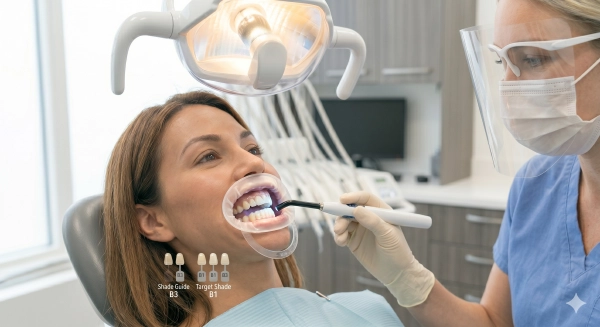
Teeth whitening addresses stains on natural tooth enamel, typically from coffee, tea, red wine, tobacco or age. It comes in three main forms: in-office whitening done by a dentist, custom take-home trays from the clinic, and over-the-counter strips, pens, or pastes you buy yourself.
In-office whitening applies a professional-grade whitening gel in a controlled environment, frequently alongside light or laser instruments to accelerate the reaction. It can whiten the shade of the teeth multiple levels in one appointment. Dentist take-home trays use lower-strength gel in custom-fit trays that you wear for a certain amount of time daily. Store products are cheaper but tend to deliver slower, more subtle transformation.
Whitening doesn’t work well on some types of stains, like gray teeth caused by injury or dark internal stains. It doesn’t affect the color of crowns, bridges, or fillings. To maintain results, most patients require regular brushing with a non-abrasive toothpaste, flossing, maintenance cleanings, and some restrictions on dark beverages or rinsing with water immediately following them.
2. Dental Veneers
Dental veneers are ultra-thin shells of porcelain or composite resin that are bonded to the front of teeth to alter color, shape, length, or minor alignment. They can conceal chips, cracks, deep discoloration, minor spaces or mild mal-alignment in the front smile zone, so a single treatment can resolve multiple concerns simultaneously.
The procedure generally begins with a consultation, where the dentist examines gum health, bite, and enamel thickness and discusses objectives, photos, and shade options. Porcelain veneers generally require that a thin layer of enamel is shaved off. Then the teeth are scanned or molded so a dental lab can construct bespoke pieces. Temporary veneers might be placed while the lab is at work. On the last visit, the dentist tries the fit and color, then bonds the veneers and adjusts the bite.
Porcelain veneers are generally stronger and stain-resistant, lasting 10 to 15 years or longer if well maintained. They are more expensive and difficult to fix. Composite veneers are typically less expensive and can be applied in a single sitting. However, they tend to stain or chip earlier and must be replaced sooner than porcelain.
3. Tooth Bonding
Tooth bonding utilizes tooth-colored composite resin to reconstruct minor defects such as chips, worn edges, small gaps, or localized discoloration, primarily for front teeth where the flaw is confined. It’s a great option when the patient desires a quick, conservative treatment that doesn’t involve significant reshaping.
Bonding is usually a single-visit procedure and doesn’t necessarily require numbing if the dentist doesn’t need to drill deep. The dentist first gently etches the tooth surface, paints on a conditioning liquid, and then lays the soft resin directly onto the tooth, molding it by hand to meet the natural tooth contour.
A curing light hardens the resin in seconds, then the dentist polishes it to match adjacent teeth. The results are immediate, but the material is not as durable and stain-resistant as porcelain, so bonding may last just a few years in high-stress areas and require occasional touch-ups or replacement.
4. Clear Aligners
Clear aligners are a set of clear, removable trays that shift teeth in increments. They’re designed for patients seeking straighter teeth without permanent metal braces. Following scans and digital planning, the dentist or orthodontist then maps out a sequence of aligners, each worn for approximately 1 to 2 weeks, typically 20 to 22 hours a day. Over months, they can fix mild to moderate crowding, spacing, and some bite problems, streamlining both alignment and cleaning access around teeth.
As the trays come out for eating and brushing, patients can clean more easily than with brackets and wires, which may support better gum health. That smooth plastic tends to be more comfortable for cheeks and lips. Clear aligners require serious daily diligence. Removing them too often or not adhering to instructions can delay or even stop progress. More complicated bite issues may still require traditional orthodontics.
5. Smile Makeovers
A smile makeover is a strategic combination of cosmetic procedures executed as a group to transform the overall smile appearance instead of one tooth at a time. The strategy could mix whitening, veneers, bonding, crowns, and implants in the gaps you can see, clear aligners, and gum contouring, depending on what you want and what the exam reveals. A healthy foundation is key, so any active decay or gum disease typically gets addressed by general or restorative care before cosmetic work kicks off.
Things have changed. Many dentists now use digital design tools to plan tooth length, width, and shape in harmony with the face, lips, and gumline. They collaborate with a dental lab, sharing scans, photos, and bite records so the final veneers, crowns, or implant restorations correspond to both the plan and function. In some offices, mock-ups or temporary versions are tried in the mouth so the patient can see and feel the probable outcome prior to the last step. Treatment length varies. In-office whitening can be done in one visit, while orthodontics, implants, and full-arch veneer work can take months and several appointments.
Beyond the Obvious Benefits
Cosmetic dentistry is more than just whiter, straighter teeth. It impacts not only your appearance but also how you eat, talk, feel in public, and even how your jaw functions on a daily basis.
Cosmetic work that alters the appearance of a smile frequently alters self-confidence as well. When someone’s proud of their smile, they smile more and don’t cover their mouth while talking or laughing. Such open body language can aid you in job interviews, client meetings, and social occasions because people tend to interpret a casual, sincere smile as evidence of trust and confidence. A nice, even smile can make photos, video calls, and public speaking less stressful, which can come in handy for anyone who works with people or appears online frequently.
There’s a powerful connection between cosmetic changes and improved function. Veneers, crowns, and bonding don’t just cover up chips or gaps. They can restore worn edges, shield cracked teeth, and provide enhanced chewing support. For instance, a crown on a chipped molar can distribute bite force better, so you don’t have to skew one side of your mouth. A properly aligned bite can assist the jaw in closing along a more natural path, helping to soothe overworked muscles and reduce the potential for flare-ups during hectic or stressful periods. This can relax clenching, help the jaw unwind while sleeping, and make physically straining processes like chewing tough foods or speaking for hours seem smoother.
Many cosmetic treatments promote long-term oral health as well. Closing minor spaces can facilitate easier flossing and reduce the potential for cavities. Rebuilding thin enamel with bonded material or veneers can protect the inner tooth and reduce sensitivity. Stronger teeth are less likely to crack or break down the road, which can help you steer clear of more complicated treatment. Even basic teeth whitening, when carefully planned and overseen by a dentist, can take away years of coffee, tea, or wine stains and provide a more youthful appearance without altering tooth structure. By utilizing modern technologies and anesthesia techniques, these processes are often fast and virtually painless, rendering them more feasible for those with hectic schedules.
The Modern Dental Blueprint
The modern dental blueprint mixes science and artistry. It strives for the smile while still protecting tooth structure and long-term health. It combines digital planning, enhanced materials, rigorous clinical protocols and intimate collaboration with master dental labs.
| Aspect | Traditional cosmetic dentistry | Modern cosmetic dentistry |
|---|---|---|
| Planning tools | 2D photos, wax models, basic exam | 3D scans, digital smile design, simulation software |
| Material choices | Basic porcelain, metal–ceramic, standard composites | High‑grade ceramics, nano‑hybrid composites, zirconia, advanced gels |
| Accuracy & fit | More manual, higher remake rates | Computer‑guided, higher precision and repeatability |
| Aesthetic outcome | “Nice” but sometimes flat or opaque | Layered, natural color, texture, and light reflection |
| Predictability & preview | Limited, based on dentist sketches and samples | On‑screen mock‑ups and try‑ins before final work |
| Tooth preservation | Often more drilling of healthy tooth | Minimally invasive, enamel‑saving approaches |
| Longevity of results | Good but more prone to chipping and staining | Longer lasting with proper care and maintenance |
Key steps now encompass precise digital smile design, judicious material selection, either ceramic or composite, and stringent clinical protocols. Expert dentists and top-tier labs are integral to matching natural shade, fit, and durability for veneers, crowns, whitening, and replacement teeth with implants, bridges, or dentures.
Digital Design
Digital imaging, 3D scans, and smile simulation software now guide how cases are planned cosmetically. Dentists chart tooth position, gum levels, and bite in millimeters. They then construct a design that suits the face, lips, and even the way the patient talks or laughs.
These instruments provide accurate numbers and specific, tailored plans. They minimize guesswork, inform how much enamel to preserve, and maximize the chances that the finished veneers, crowns, or aligners look and feel just right. That is in favor of an aesthetic and tooth conservation balance instead of pursuing “perfect” pics at any cost.
Patients then preview a digital mock-up of their new smile on a screen, or even sometimes with a 3D-printed trial overlaid on the teeth. This allows time to ask questions, make shade or length adjustments, or consider costs and the reality that many cosmetic steps are not covered by insurance.
Digital workflows accelerate and optimize lab work for veneers, crowns, and clear aligners. Data goes directly to the dental lab, reducing errors and potentially decreasing treatment time, which is a key consideration for travelers or those seeking less expensive care overseas.
Advanced Materials
- Lithium disilicate ceramic is used for thin veneers and crowns in visible areas, providing high aesthetics.
- Zirconia provides strong crowns and bridges, including for implants in high-bite zones.
- Nano‑hybrid composite resin: bonding, small repairs, conservative veneers.
- High‑concentration whitening gels: in‑office or supervised take‑home whitening trays.
Modern ceramics and composites seek to emulate natural enamel. They glow in the same way, are more coffee and tea stain resistant than previous materials, and are biocompatible. Paired with good brushing, flossing, and routine cleanings, cosmetic work like veneers and whitening can stand the test of time for years.
Ceramic veneers and crowns typically outlast direct bonding, but they can be more difficult or expensive to repair if chipped. Composites are more repairable chairside, but they tend to stain earlier and require more polishing. For implants, the ceramic crown can be refreshed, but the titanium bit in the bone can potentially remain forever if healthy.
For patient education, an easy chart showing materials, best recommended uses, probable lifespan, and care requirements can help alleviate confusion. It helps establish realistic expectations about what daily care is necessary and how various budgets correlate with longevity.
Precise Execution
| Factor | Why it matters for cosmetic results |
|---|---|
| Infection control | Protects health, avoids post‑treatment complications |
| Accurate impressions/scans | Ensures snug fit, natural contact points, and stable bite |
| Shade and layering | Matches nearby teeth and natural translucency |
| Lab–dentist communication | Aligns design, material choice, and patient expectations |
| Careful bonding/cementing | Prevents gaps, irritation, and early failures |
High‑level infection control sounds fundamental but it supports everything. Clean water lines, sterile tools, and barrier methods are not just safety steps; they reduce the risk of complications that could subsequently damage costly cosmetic work.
Precise impressions or 3D scans provide the lab with an actionable blueprint. Technicians are able to construct veneers, crowns, or implant restorations that mimic real tooth anatomy rather than a rough approximation. Shade photos and digital shade tools assist them in layering ceramics so they blend in with adjacent enamel rather than appearing too white or flat.
Dental labs transform the blueprint into actual components. They sculpt contours, contacts, and texture so that esthetic work melts into the smile, supports intelligible speech, and facilitates comfortable mastication. This thoughtful pairing is why work done locally is usually more malleable to touch‑ups than work done overseas, where follow‑up and lab access are scarce.
Fine-tuning and bonding in the chair determine how that smile sits day to day. When done properly, teeth meet seamlessly, gums remain healthy, and the margin between natural tooth and restoration is nearly invisible.
Are You a Candidate?
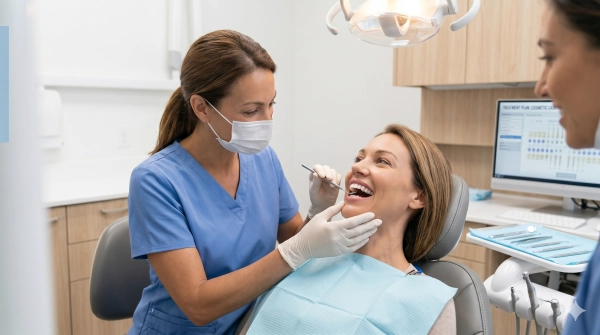
Cosmetic dentistry is generally for patients who have some type of aesthetic concern with how their teeth appear, such as discoloration, mild damage, minor gaps, and mild misalignment. Being a good candidate usually depends on a few basic points: your current oral health, the type of procedure you want, and how willing you are to care for your teeth afterward.
A simple self-checklist can help:
- Are your gums overall healthy with no persistent bleeding or inflammation?
- Untreated cavities, broken teeth or dental pain?
- Are you attempting to repair stains, worn edges, chips or small seams?
- Have OTC whitening products not provided you the shade you desire?
- Are you prepared to brush, floss, and visit a dentist on a fixed schedule?
- Can you abstain from destructive habits such as nail-biting that can harm new work?
Most cosmetic work still requires that active decay, gum disease, or bone loss be handled first. This holds true if you’re considering teeth whitening, veneers, bonding, clear aligners, or implants.
Oral Health
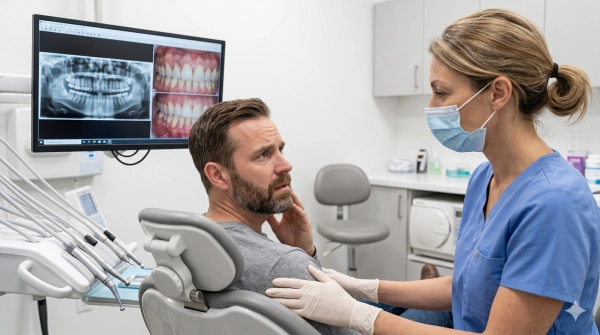
Cosmetic work covers your existing teeth and gums, therefore the foundation must be solid. That is, no active caries, untreated infection, or advanced gum disease. If you have deep cavities or loose teeth, a dentist will typically deal with those earlier.
Unaddressed issues can reduce the longevity of cosmetic restorations. For instance, veneerizing teeth with lurking decay can cause pain, root canals, or veneer failure. The same goes for crowns and dental implants. Implants need adequate healthy bone and crowns need solid tooth structure.
Routine care counts post-treatment, too. Routine checkups, cleanings and daily brushing and flossing help veneers, bonding and crowns look good. Porcelain veneers, for instance, typically last 10 to 15 years with good care. Certain treatments, such as implants or crowns, might require additional restorative work beforehand, such as fillings or gum therapy, to establish a sturdier foundation.
Aesthetic Goals
Specific goals help you find the right treatment. Most patients care about color first, particularly when coffee, tea, or tobacco have left deep discolorations. Others are more about form, such as short central teeth, pointy canines, or a single tooth that’s a bit too wide.
Others suffer from grinding, acidic diets, old trauma, or just years of regular chewing. These can cause edges to become ragged, soles ground flat, or little nicks that alter both appearance and comfort. Bonding or veneers may be superior to whitening alone in these instances.
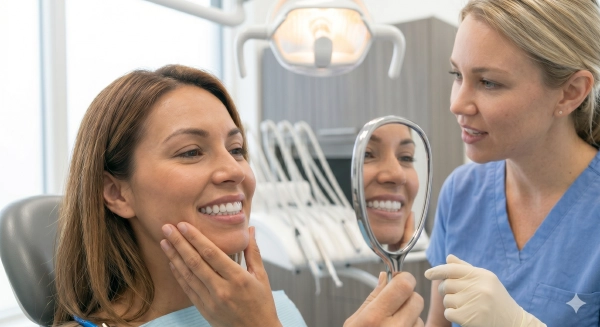
It helps to rank what matters most: whiter teeth, smoother edges, closed gaps, or straighter alignment. A cosmetic dentist can then tell you whether whitening, bonding, orthodontic aligners, veneers, or a combination of treatments match those objectives. Visual aids like shade guides or digital previews can demonstrate probable outcomes and establish reasonable expectations.
Documenting your goals, desired shade of white, and any ‘must nots’ — say no teeth that look too bright or too square — gives your dentist something tangible to work with during your appointment.
Lifestyle Factors
Lifestyle influences both the longevity and aesthetic aging of cosmetic work.
- Smoking or vaping will stain whitening and some bonding materials.
- Heavy tea, coffee or red wine consumption can accelerate re-staining.
- Teeth grinding can chip bonding, veneers, or even crowns.
- High-acid diets (soft, citrus) can wear enamel and edges.
- Contact sports without a mouthguard can ruin veneers or crowns.
- Bad daily brushing and flossing can cause decay around restorations.
Time and care count. Whitening occasionally requires repeat treatments and touch-ups. Clear aligners need to be worn every day, typically 20 to 22 hours, as well as retainers afterward. Bonding can discolor or chip earlier than porcelain and might require more repair.
A few processes require minor habit shifts. Veneers and bonding usually mean not to crack ice, bite pens, or tear open packages with your teeth. If you have dental bonding on a tooth, you can return to your regular routine immediately, but you have to be careful not to bite hard on that area.
Missing Teeth: Dental implants are often the perfect solution when one or two teeth are missing and the rest of the mouth is healthy. To pick the right option, it’s good to put together your own lifestyle list and discuss it with your dentist, so the strategy suits how you dine, grind, and pamper your pearlies each day.
The Art of a Natural Look
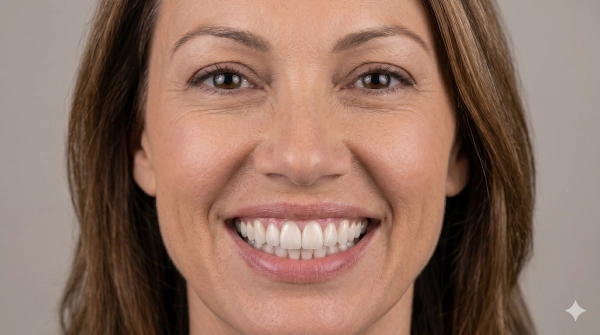
Natural look in cosmetic dentistry is teeth that suit the face, move and wear like natural teeth and age convincingly. It’s not the whitest or straightest smile but harmony.
A good dentist begins by looking at the entire face, not just the mouth. They examine lip shape, smile line, skin tone, and tooth display at rest and in motion. The size, shape, and position of each tooth then have to fit that frame. For instance, wide central incisors may look balanced on a broad face but may appear too powerful on a thin one. Shade choice works the same way: a very bright shade may suit a young person with light skin and eyes, but on an older patient, it can look harsh and fake.
Colour is more than selecting a single shade tab. Natural teeth are layered, with more translucence at the edges, little colour variations near the gums, and subtle surface texture. Custom shading and layering ceramics mimic this depth, so light filters through the tooth instead of reflecting off like plastic. Contouring adds the last set of details: soft line angles, slight asymmetry, and micro‑texture that break up light and stop the “piano key” look. Solutions such as non‑prep veneers or Bioclear add material to close black triangles or reshape misshapen teeth without excessive drilling.
Form still has to follow function. Veneers, bonding, crowns, and implants have to function with the bite (occlusion), jaw joints, and chewing patterns. If a veneer is too thick or the bite is off, it can chip, feel weird, or even cause muscle pain. That’s what makes occlusion and cosmetic training so vital and why some routes, such as porcelain veneers, are permanent and must be replaced after a few years. An experienced dentist elaborates on these boundaries, sets realistic expectations, and cautions against dangers associated with expedited care, at-home whitening, ultra-affordable deals, or dental tourism using sub-par materials. Transparent photos of actual before-and-afters allow patients to envision the disparity between natural and excessive results and select what suits their own features and desires.
Your Edmonton Smile Journey
Your Edmonton smile journey with Spearmint Dental begins with a vision of what you want and what your mouth needs. Your Edmonton Smile Experience The team considers more than how your teeth appear in an image. They check your bite, your gums, old fillings and how your teeth come together when you talk and dine. A smile is often the first thing people notice at a job interview or when meeting new friends, so they ask about your goals in real-life terms: Do you want to look younger, more polished for work, or fix chips that catch on food? They’ll ask about your schedule, your budget, your comfort with longer visits — then pair options like whitening, bonding, veneers, or crowns to your actual needs, not a one-size plan.
It’s a step-by-step journey. At the initial consult, they capture photos, digital scans, and x-rays, then discuss your primary concerns, for example, dark front teeth, worn edges, or gaps. We use digital design tools to help map out your new smile on screen so you can see shape, shade, and tooth length before any work begins. After you settle on the look, they construct a treatment plan that can mix whitening, bonding, and crowns over several visits instead of all in one go. For patients concerned about affordability, Alberta’s oral health programs may provide information about dental benefits and assistance programs that can help make care more accessible. Routine check-ins keep the plan on track and most patients achieve complete results within 12 to 18 months, especially when orthodontic or staged work is necessary.
Their dentists and clinical team handle core cosmetic services: porcelain veneers to cover chips or heavy stains, crowns to rebuild weak teeth, bonding to fix small cracks and gaps, and in-office whitening for a quick color upgrade. Some patients sense an immediate confidence boost when the brighter, refreshed smile is unveiled. Professional whitening can maintain its hue for one to three years with good brushing, flossing, and less coffee, tea, or red wine. Veneers, with diligent home care and routine visits, commonly last ten to fifteen years, and patients who adhere to aftercare guidelines frequently experience robust, natural-looking outcomes for a decade or more.
Cosmetic work at Spearmint Dental is designed to shine and endure. With consistent at-home maintenance, six-month visits, and early repair of minor concerns, crowns, veneers, and bonding can sustain both beauty and function for years to come.
Conclusion
Cosmetic dentistry no longer seems like a crapshoot. It seems like a roadmap. You witnessed how minor adjustments, such as whitening or bonding, can enhance a smile in no time. You saw how comprehensive solutions, such as veneers or clear aligners, meticulously address shape, shade, and bite.
In real life, that could mean you drink coffee and still have bright teeth. Or you present at work with fewer worries about chips or gaps. Your trusted Edmonton dentist examines your goals, budget and health, then constructs a step by step plan that fits real life.
Got questions about your own smile or next step in Edmonton? Contact a reputable local clinic and begin with an easy consultation.
Frequently Asked Questions
What is cosmetic dentistry?
Cosmetic dentistry can enhance the look of your teeth, gums, and smile. These cosmetic dentistry treatments generally consist of whitening, veneers, bonding, crowns, and aligners. A cosmetic dentist lays out a plan to make your smile look better while still preserving or improving your oral health.
How is cosmetic dentistry different from general dentistry?
General dentistry is about oral health, prevention, and disease. Cosmetic dentistry cares about how your smile looks. Many support function and health, but the primary goal of cosmetic treatments is to enhance color, shape, alignment, and symmetry.
What cosmetic dental treatments are most common?
Popular options are teeth whitening, porcelain veneers, dental bonding, crowns, clear aligners, and gum contouring. Your dentist will suggest options according to your objectives, budget, and oral health condition. A bespoke plan typically blends multiple treatments for optimal outcome.
Am I a good candidate for cosmetic dentistry?
You might be a great candidate if you have healthy gums and teeth and dislike your smile’s color, shape, spacing, or alignment. Your dentist will evaluate your mouth, discuss your objectives, and review your medical history to determine what treatments are safe and feasible.
Will my cosmetic dental work look natural?
Today’s cosmetic dentistry is all about a natural, balanced appearance. Dentists employ digital imaging, shade guides, and quality materials to suit your teeth, gums, and facial features. It’s about a smile that fits your face and the way you smile, not a ‘cookie‑cutter’ outcome.
How long do cosmetic dentistry results last?
It really depends on the treatment and your habits. Whitening may last months to a few years. Veneers and crowns can be expected to last 10 to 15 years or longer if well cared for. Routine checkups, proper brushing and flossing, and no smoking extend your results.
Is cosmetic dentistry safe and does it hurt?
Cosmetic dentistry is typically safe when performed by a reputable dentist after a comprehensive examination. Local anesthesia and modern methods minimize pain. Most treatments induce mild, short-lived sensitivity or discomfort, which is typically treated with over-the-counter pain medicine.